
Ads
Ads
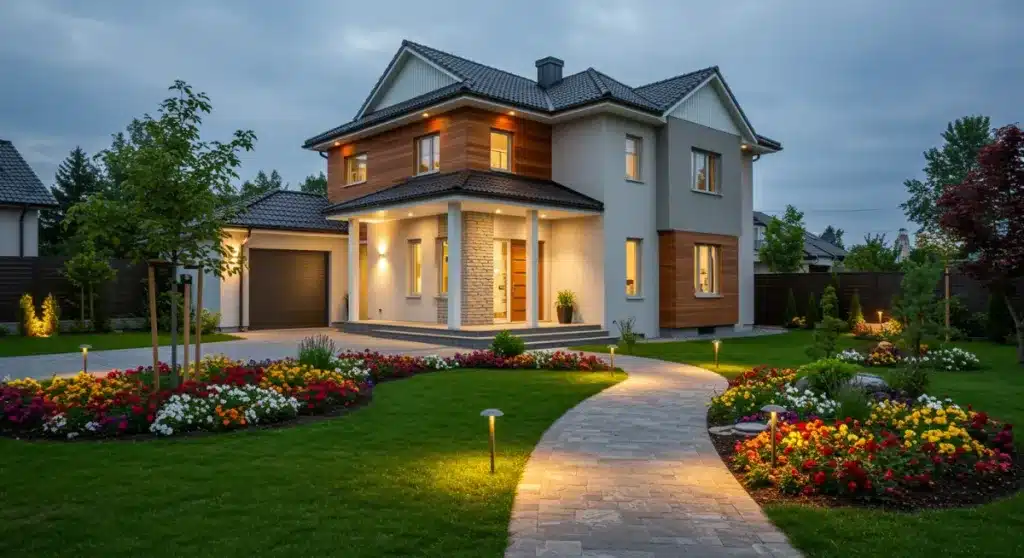
Strategic landscaping transforms ordinary properties into desirable homes, with real estate data showing a 10% value increase possible within 6 months through targeted outdoor improvements.
Ads
First impressions matter more than most homeowners realize. When potential buyers drive past a property, they form lasting opinions within seconds based on what they see from the street. This phenomenon, known as curb appeal, directly impacts home values and saleability. The good news is that strategic landscaping investments can yield impressive returns, with research indicating that professional outdoor improvements can increase property values by up to 10% within just six months. Whether you are preparing to sell or simply want to enjoy a more beautiful home, understanding which projects deliver the best ROI matters. This guide examines three proven landscaping projects that transform exterior spaces while adding substantial value to residential properties.
Understanding the Connection Between Landscaping and Property Value
The relationship between well-designed outdoor spaces and property values has been extensively documented by real estate professionals and appraisers. Studies consistently show that quality landscaping ranks among the top factors influencing home values, often comparable to kitchen renovations or bathroom upgrades. The National Association of Realtors reports that landscaping can return anywhere from 100% to 200% of the investment at sale, making it one of the most profitable home improvements available.
Beyond monetary returns, attractive landscaping creates emotional connections with potential buyers. A well-maintained yard suggests that the homeowner has cared for the property overall, implying fewer hidden maintenance issues inside the home. This perception translates directly into faster sales and often above-asking-price offers in competitive markets.
Key Factors That Appraisers Consider
- Overall landscape design cohesion and visual appeal
- Health and maturity of plants and trees
- Maintenance condition of lawn and outdoor areas
- Functional outdoor living spaces
- Quality of materials used in hardscaping
Understanding these evaluation criteria helps homeowners prioritize projects that matter most to appraisers and buyers alike. The three projects detailed in this guide address these factors systematically, creating a comprehensive transformation that meets professional standards while remaining achievable for most budgets.
Project One: Strategic Plantings and Mature Landscape Framework
Strategic plantings form the foundation of any high-impact curb appeal project. This goes beyond simply adding flowers to existing beds; it involves creating a thoughtful, layered landscape design that provides year-round visual interest and establishes the mature look that buyers find appealing.
The key to maximizing value from plantings lies in understanding scale, proportion, and seasonal interest. A professional approach combines trees, shrubs, perennials, and annuals in ways that create depth and dimension while requiring manageable maintenance. The goal is achieving a established look that suggests the property has been lovingly cared for over years, not just freshly planted.
Building Layers for Visual Impact
- Tall trees and large shrubs provide privacy and anchor the design
- Medium shrubs define property boundaries and frame architectural features
- Perennial flowers add color and reduce annual planting costs
- Ground covers and mulch create clean lines and prevent erosion
When selecting plants, consider native species that thrive in your specific climate zone. Native plants require less water, fewer chemical treatments, and generally prove more resilient than exotic alternatives. This practical choice appeals to environmentally conscious buyers while reducing long-term maintenance costs for the homeowner.
Invest in quality mulch to define planting beds and create clean transitions between different landscape zones. Dark hardwood mulch provides contrast against brick or siding, while lighter options work well with stone or stucco exteriors. Refresh mulch annually to maintain that polished, cared-for appearance that makes such strong impressions on visitors and potential buyers.
Project Two: Professional Outdoor Lighting Installation
Outdoor lighting represents one of the most underutilized curb appeal investments, yet it delivers remarkable transformation potential for relatively modest costs. Properly designed landscape lighting extends the visual appeal of a property into evening hours while improving safety and security.
The strategic placement of lights can highlight architectural features, illuminate pathways, and create ambiance that transforms ordinary yards into inviting outdoor spaces. This extended hours of enjoyment translates directly into perceived value for potential buyers who envision themselves living in the space.
High-Impact Lighting Zones
- Pathway lighting guides visitors safely to front entrances
- Uplighting on trees creates dramatic focal points
- Spotlights showcase architectural details or water features
- Step lighting ensures safety on stairs and terraces
- Well lighting illuminates specimen plants and garden art
Modern LED lighting options provide excellent longevity and energy efficiency compared to traditional halogen systems. Many homeowners are surprised to learn that professional lighting systems can operate for pennies per day while delivering dramatic visual impact. The investment pays dividends through both increased property value and enhanced daily living enjoyment.
Consider incorporating smart lighting controls that allow programming of lighting schedules and intensity adjustments. These modern features appeal to tech-savvy buyers while providing practical benefits like enhanced security through automated lighting when homeowners travel.
Project Three: Hardscaping Improvements and Outdoor Living Spaces
Hardscaping refers to the non-plant elements of landscape design, including patios, walkways, retaining walls, and decorative features. These structural elements provide permanent框架 that anchors the overall design while adding substantial functional value to outdoor spaces.
Research indicates that outdoor living spaces rank among the most desirable features for modern homebuyers. A well-designed patio or deck extends living square footage outdoors, creating additional entertainment and relaxation areas that significantly enhance property value. The key lies in quality materials and professional installation that ensures durability and aesthetic appeal.
High-Value Hardscape Projects
- Paver walkways create welcoming paths from driveway to entrance
- Patio installations provide defined outdoor living areas
- Retaining walls manage slopes and create planting terraces
- Decorative borders define lawn edges and planting beds
- Fire features add ambiance and extend outdoor use seasons
Material selection significantly impacts both immediate visual impact and long-term value retention. Natural stone commands premium prices and ages beautifully, while quality pavers offer versatility and easier installation. Whatever material chosen, professional installation ensures proper grading, edge restraint, and joint stabilization that prevents settling and shifting over time.
Combine hardscaping with comfortable outdoor furniture and accessories to help buyers envision the lifestyle potential. A simple patio becomes an outdoor room when staged with appropriate seating, lighting, and decorative elements. This visualization helps buyers connect emotionally with the property and its possibilities.
Planning Your 6-Month Transformation Timeline
Executing a comprehensive landscaping transformation requires thoughtful sequencing to maximize impact while managing budget and timeline. A well-planned approach allows homeowners to see incremental progress that maintains motivation while ensuring each project builds upon previous improvements.
The first month should focus on assessment and planning. Walk your property with a critical eye, photograph current conditions, and identify specific areas needing attention. Consider hiring a landscape designer for consultation on major projects; their expertise often prevents costly mistakes while ensuring cohesive design across all areas.
Recommended Project Sequencing
- Months 1-2: Planning, design, and preparation work
- Months 2-3: Hardscaping installation (requires longest lead time)
- Months 3-4: Major planting and tree installation
- Months 4-5: Lighting installation and final details
- Month 6: Finishing touches and documentation for sale
Professional contractors often book weeks or months in advance, especially during peak spring and summer seasons. Beginning the planning process early ensures availability when you are ready to proceed. Request multiple quotes and check references thoroughly; quality installation makes the difference between improvements that add lasting value and those that require correction.
Consider timing plantings for optimal establishment before peak growing seasons. Fall planting often proves ideal for many species, allowing root establishment before summer heat stresses new plants. Spring planting works well for annual color and warm-season species, providing immediate impact for properties going on market.
Budget Considerations and ROI Expectations
Understanding realistic budget ranges helps homeowners make informed decisions about which projects to pursue and how to allocate resources for maximum impact. Landscaping investments vary widely based on property size, existing conditions, material selections, and whether professional help or DIY approaches are employed.
Industry data suggests that modest landscaping investments around $5,000 to $10,000 can yield substantial returns, particularly for mid-range homes in desirable neighborhoods. Premium properties often see proportionally higher returns from more elaborate installations, though the percentage return tends to normalize across price points.
Budget Allocation Strategies
- Prioritize visible areas receiving most buyer attention
- Invest in quality materials that withstand local climate conditions
- Balance between structural improvements and plantings
- Include maintenance reserves for ongoing care
- Consider financing options for larger projects
DIY enthusiasts can reduce costs significantly by handling appropriate portions of work themselves. Painting, planting, and basic mulching often fall within homeowner capabilities, while specialized work like paver installation, electrical wiring, and tree planting generally warrants professional handling. Be honest about your skills and time availability when determining what to tackle independently.
Remember that ongoing maintenance costs factor into overall investment calculations. Low-maintenance design choices may cost more initially but reduce long-term expenses while keeping the property looking professional with reasonable effort. This practical consideration appeals to busy buyers who want attractive outdoor spaces without becoming full-time gardeners.
Working With Professionals vs. DIY Approaches
The decision between professional installation and DIY approaches depends on multiple factors including skill level, available time, project complexity, and budget constraints. Understanding when each approach makes sense helps homeowners allocate resources effectively while achieving desired outcomes.
Professional landscape contractors bring expertise that ensures proper installation and often includes warranties on their work. This guarantee provides peace of mind while protecting the investment. Complex projects involving grading, drainage, electrical work, or structural elements typically require professional handling to meet building codes and ensure lasting performance.
When to Hire Professionals
- Major grading or drainage modifications required
- Electrical work for lighting systems
- Structural hardscaping like retaining walls
- Tree planting requiring specialized equipment
- Comprehensive design requiring multiple skill sets
DIY approaches work well for simpler projects that provide learning opportunities while reducing costs. Planting annuals, refreshing mulch, installing basic edging, and maintaining lawn health often fall comfortably within homeowner capabilities. These projects also provide satisfaction and connection to the outdoor spaces that enhance daily living.
Regardless of approach taken, maintain documentation of all improvements and investments. Keep receipts, photographs, and records of work performed. This documentation proves valuable when appraising the property or negotiating with potential buyers who appreciate verifiable improvements.
Maintaining Your Investment for Long-Term Value
Completing landscaping projects represents only the beginning of maintaining and growing your investment. Ongoing care ensures that improvements retain their visual impact and value contribution while preventing small issues from becoming expensive problems.
Establish regular maintenance routines appropriate to your climate and specific plantings. This includes seasonal fertilization, pruning schedules, irrigation management, and pest monitoring. Consider enlisting professional maintenance services for complex properties or during peak growing seasons when demands exceed available time.
Essential Maintenance Practices
- Weekly lawn mowing during growing season
- Regular watering appropriate to plant needs and weather
- Seasonal pruning and deadheading
- Annual mulch refresh in planting beds
- Lighting system inspection and bulb replacement
Document maintenance routines and any professional services hired. This record demonstrates to potential buyers that the property has received consistent, professional care. Such documentation reduces concerns about deferred maintenance while justifying the premium value that quality landscaping commands.
Periodically assess your landscape for opportunities to add value through minor improvements or seasonal updates. Adding colorful annuals, refreshing container plantings, or updating outdoor accessories keeps the property looking current and well-maintained without requiring major additional investment.
| Project | Value Impact |
|---|---|
| Strategic Plantings | Creates instant maturity and seasonal color appeal |
| Outdoor Lighting | Extends visual impact to evening hours and improves safety |
| Hardscaping | Adds functional living space and permanent structural value |
| Timeline | Complete transformation achievable within 6 months |
Frequently Asked Questions
Professional landscaping costs vary widely based on property size and project scope, typically ranging from $5,000 for basic improvements to $25,000 or more for comprehensive transformations. The key is prioritizing high-impact areas that potential buyers notice first, focusing budget on entrance views and visible outdoor living spaces.
Yes, even modest improvements can yield meaningful returns. Fresh mulch, defined edging, healthy lawn, and well-placed seasonal flowers create immediate visual impact for relatively low cost. The key is ensuring that whatever improvements are made appear professionally executed and well-maintained, avoiding the look of DIY attempts that may suggest larger maintenance issues.
Timing depends on your goals and climate zone. Fall is ideal for planting trees and shrubs, allowing root establishment before summer stress. Spring works well for annual color and lawn improvements. Begin planning in winter to secure contractor availability and ensure projects complete before peak selling season in your market.
For comprehensive transformations involving multiple elements, professional design ensures cohesive results that maximize value. However, simpler projects can often proceed with careful planning using online resources and contractor consultation. Consider your comfort level, budget, and the complexity of desired improvements when making this decision.
While some improvements provide immediate visual impact, full value realization typically occurs over one to three years as plantings mature and buyers recognize the comprehensive nature of improvements. However, well-executed projects begin generating returns immediately through enhanced daily living enjoyment and increased buyer interest from the moment listings go public.
Conclusion
Transforming your property’s exterior through strategic landscaping represents one of the most rewarding investments available to homeowners. The three projects outlined in this guide, when executed thoughtfully, can realistically increase property values by 10% while dramatically improving daily living enjoyment. The key lies in understanding what buyers value most: mature, well-maintained plantings that suggest established care; professional lighting that extends the home’s appeal into evening hours; and quality hardscaping that provides functional outdoor living space. By approaching these improvements systematically over a six-month timeline, homeowners can achieve professional-quality results that compete effectively in any market. Whether preparing for sale or simply creating a more beautiful home, investing in your property’s exterior pays dividends that extend far beyond monetary returns.
