
Ads
Ads
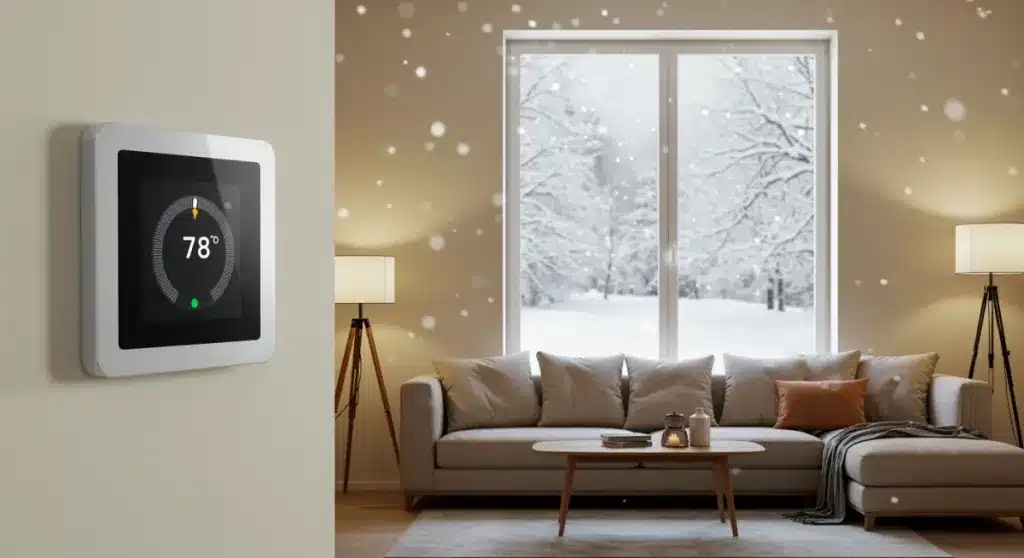
Smart home technology offers practical solutions to reduce energy consumption, with smart thermostats, intelligent lighting, and energy monitoring devices helping homeowners save up to 20% on winter utility bills.
Ads
Winter brings higher energy demands as heating systems work overtime to keep homes comfortable. For many American households, this translates into daunting utility bills that seem to climb every year. Fortunately, a new generation of smart home technologies has emerged, offering practical ways to manage energy usage without sacrificing comfort. These devices learn your patterns, automate adjustments, and provide insights that help you make smarter decisions about how you heat and power your home. The result can mean significant savings—often up to 20% on your winter energy bills.
Understanding Smart Thermostats and Their Impact
The cornerstone of any energy-saving smart home strategy is a smart thermostat. Unlike traditional thermostats that require manual adjustments, smart models learn your schedule and preferences, automatically adjusting temperatures throughout the day to optimize comfort while minimizing waste. When you leave for work, the thermostat lowers the heat. When you typically return home, it begins warming the house again—so you walk into comfort without having kept the house heated all day.
Most smart thermostats connect to your home’s WiFi, allowing you to control them remotely through smartphone apps. This means if you forget to adjust the temperature before leaving for the weekend or want to warm up the house before arriving home from holiday travel, you can do so with a few taps on your phone. Many models also provide detailed energy usage reports, breaking down your consumption by day, week, and month. This data helps you identify patterns and areas where you might be wasting energy without realizing it.
Top Thermostat Features to Look For
When selecting a smart thermostat, certain features make a meaningful difference in energy savings. Look for models with geofencing capabilities, which use your phone’s location to detect when you’re away from home and adjust temperatures accordingly. Compatibility with voice assistants like Alexa, Google Assistant, and Siri adds convenience, letting you change settings with simple voice commands. Some thermostats also integrate with other smart home devices, creating automated routines that coordinate heating with lighting and other systems.
- Geofencing for automatic away-mode adjustments
- Voice control compatibility with major assistants
- Learning algorithms that adapt to your schedule
- Energy usage reports and consumption insights
- Multi-room sensors for balanced heating throughout the home
Investing in a quality smart thermostat typically costs between $150 and $250, but the energy savings often justify the expense within the first year or two of use. Several utility companies even offer rebates or discounts for customers who install energy-certified smart thermostats, making the initial investment more approachable.
Smart Plugs and Power Strips for Phantom Load Reduction
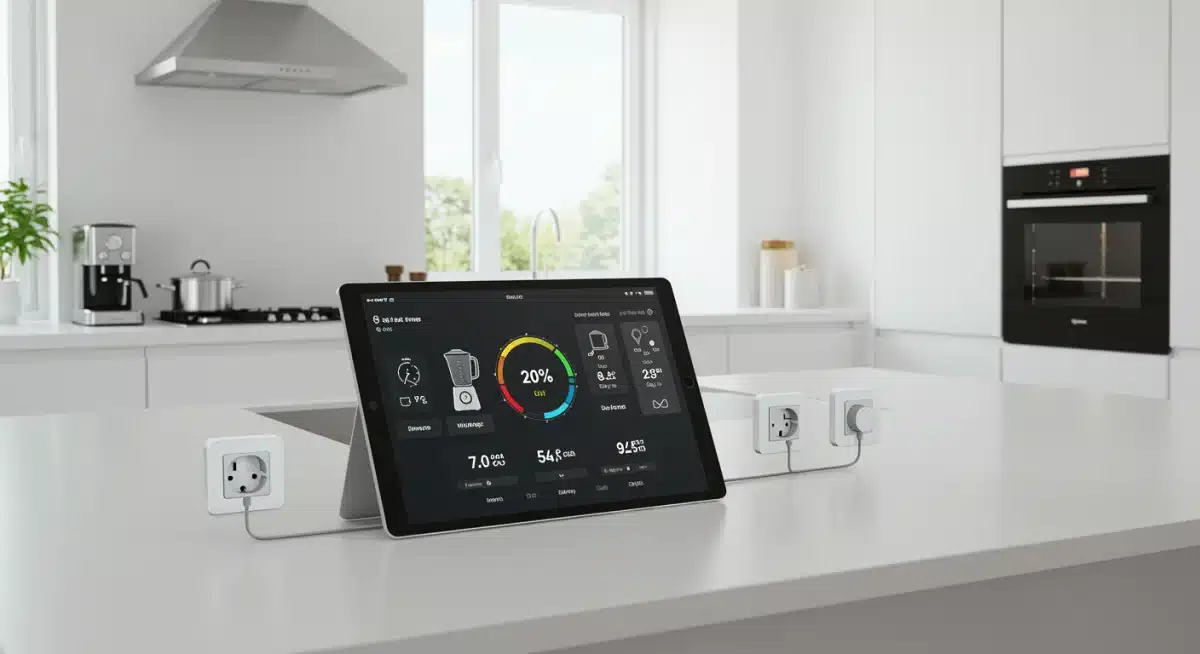
Beyond heating, household electronics and appliances contribute significantly to energy consumption. Many devices continue drawing power even when turned off—a phenomenon known as phantom load or vampire power. Smart plugs offer a simple solution, allowing you to cut power to devices completely when they’re not in use, either manually through an app or automatically on schedules you set.
Imagine your entertainment center, gaming consoles, and computer equipment drawing power overnight or during hours when no one uses them. With smart plugs, you can create schedules that cut power to these devices during sleeping hours or while you’re at work. Some advanced smart power strips also detect when a primary device is turned off and automatically cut power to peripheral devices connected to it.
The beauty of smart plugs lies in their simplicity. They require no special installation—just plug them into existing outlets and connect your devices through the companion app. This makes them an excellent entry point for anyone looking to explore smart home technology without committing to complex systems. Each smart plug typically costs between $15 and $40, making it easy to start small and expand over time.
Maximizing Plug Efficiency
To get the most from smart plugs, identify which devices in your home consume the most standby power. Entertainment systems, office equipment, and kitchen appliances often represent the biggest culprits. Create groups within your smart plug app to control multiple devices simultaneously—for example, turning off all entertainment center equipment with a single command. Some plugs also include energy monitoring features, showing you exactly how much power each connected device uses.
- Target entertainment and office equipment first
- Create device groups for one-touch control
- Use energy monitoring to identify power hogs
- Set schedules based on actual usage patterns
- Consider smart power strips for multiple devices
While individual smart plugs might only save a few dollars per month, the cumulative effect across multiple devices can add up. For households with numerous electronics, the combined savings can make a noticeable difference in your overall energy bill.
Intelligent Lighting Systems for Winter Efficiency
Lighting accounts for a substantial portion of home energy use, particularly during winter months when daylight hours are shorter. Smart lighting systems address this in two ways: they use energy-efficient LED bulbs, and they allow precise control over when lights are on and how brightly they shine. This combination can reduce lighting-related energy costs by 50% or more compared to traditional incandescent bulbs.
Smart bulbs connect to your WiFi and can be controlled individually or in groups through smartphone apps. You can set schedules that turn lights on at dusk and off at bedtime, create mood settings for different activities, or automate lighting to follow routines that make your home appear occupied even when you’re away. Many systems also feature dimming capabilities, allowing you to use only the light you need rather than operating at full brightness constantly.
The initial cost of switching to smart lighting might seem higher than traditional bulbs, but LED smart bulbs last 25 times longer than incandescent bulbs and use about 75% less energy. When you factor in the extended lifespan and reduced energy consumption, the investment typically pays for itself within a few years.
Energy Monitoring Systems for Complete Awareness
Knowledge is power when it comes to energy savings. Whole-home energy monitors attach to your electrical panel, providing real-time data about your home’s energy consumption. These systems break down usage by circuit, showing you exactly which appliances and systems use the most electricity. With this detailed information, you can make informed decisions about where to focus your efficiency efforts.
Some energy monitors integrate with smart thermostats and other devices, creating coordinated systems that respond automatically to consumption patterns. If the monitor detects unusually high usage from your heating system, it might signal the thermostat to adjust slightly. These integrations create a holistic approach to energy management that goes beyond what individual devices can achieve.
For homeowners serious about reducing their energy footprint, energy monitoring represents a significant investment—typically $200 to $500 depending on features—but the insights it provides are invaluable. Understanding exactly how much energy each part of your home uses enables targeted improvements that deliver the best returns.

Interpreting Energy Data
The data from energy monitors tells a story about your home’s energy habits. Look for patterns: does your heating system spike at certain times? Are there appliances running when they shouldn’t be? Many monitors provide alerts for unusual consumption, helping you catch problems early—perhaps a failing appliance that’s suddenly using excessive power or a heating system that needs maintenance.
- Track consumption by time of day and day of week
- Identify appliances with unusually high usage
- Set consumption alerts for unusual patterns
- Compare usage across months to track improvements
- Use data to justify investments in efficiency upgrades
Integrating Smart Devices for Maximum Savings
The true power of smart home energy management lies in integration. When devices communicate and work together, they achieve results that wouldn’t be possible working alone. Modern smart home platforms like Apple HomeKit, Google Home, and Amazon Alexa allow you to create routines that coordinate multiple devices based on triggers, schedules, or conditions.
A morning routine might gradually increase the thermostat, turn on kitchen lights, and start the coffee maker—everything happening automatically as you wake up. An away mode might lower the thermostat, turn off all lights, and activate smart plugs controlling entertainment equipment. These automations ensure energy efficiency happens consistently without requiring manual intervention.
Many smart home hubs also support if-this-then-that logic, allowing you to create custom rules. If the temperature drops below a certain level, increase heating. If you leave home before a scheduled time, activate away mode. These conditional responses make your home intelligent rather than simply connected.
Building Your Smart Home Ecosystem
Starting with one or two devices and expanding gradually makes building a smart home manageable. Begin with a smart thermostat, as it typically provides the largest energy savings. Once comfortable with that, add smart plugs for high-consumption electronics. Next, consider smart lighting in frequently used rooms. Finally, integrate an energy monitor for complete visibility.
When selecting devices, prioritize those compatible with your preferred platform. Mixing brands can work but often requires additional apps or workarounds. Researching compatibility before purchasing prevents frustration and ensures all your devices can communicate effectively.
- Start with a smart thermostat for biggest impact
- Add devices gradually to learn each system’s capabilities
- Choose a primary platform and stick with it
- Look for devices that support your preferred voice assistant
- Consider professional installation for complex systems
Winter-Specific Strategies for Energy Savings
Winter presents unique challenges and opportunities for energy efficiency. The increased demand for heating makes smart thermostat adjustments particularly valuable. But other strategies specifically address cold-weather concerns. Smart vent registers, for example, direct heated air to rooms that need it most, balancing temperatures throughout your home and preventing waste in unused spaces.
Outdoor smart lighting becomes especially important during dark winter evenings. Motion-activated lights improve security while using energy only when needed. Smart door locks allow you to remotely manage access to your home, letting in service providers or delivery personnel without leaving the heat on full blast while you wait.
Window sensors can integrate with your smart home system, alerting you if windows are left open while the heat is running. This prevents the significant energy waste that occurs when heated air escapes through open windows—a common oversight that can substantially increase winter bills.
Maximizing Your Return on Investment
While smart home technology requires upfront investment, the long-term savings make it financially attractive for most homeowners. The key is prioritizing devices that address your specific energy waste points. If you struggle with remembering to adjust thermostats, that smart thermostat will pay for itself quickly. If your electronics draw significant phantom power, smart plugs might offer faster returns.
Many utility companies and government programs offer incentives for energy-efficient upgrades. Tax credits, rebates, and financing programs can reduce the effective cost of smart home devices substantially. Research available programs in your area before making purchases—these incentives can mean the difference between a one-year payback and a three-year payback on your investment.
Track your energy bills before and after implementing smart home technology. Most people see noticeable changes within the first billing cycle, with cumulative savings becoming more apparent over months and years. Documenting these results helps justify additional investments and provides motivation to continue optimizing your home’s efficiency.
| Device Type | Energy Savings |
|---|---|
| Smart Thermostats | Up to 15% on heating costs through automated scheduling and learning algorithms |
| Smart Plugs | Eliminate phantom load from electronics, reducing standby power consumption |
| Smart Lighting | LED bulbs use 75% less energy than incandescent with automated scheduling and dimming |
| Energy Monitors | Provide insights enabling targeted efficiency improvements across all home systems |
Frequently Asked Questions
Most homeowners achieve 10-20% savings on their overall energy bills through smart home technology, with the exact amount depending on factors like current energy usage, home size, and which devices you implement. Smart thermostats typically provide the largest single savings, while combining multiple devices maximizes overall efficiency.
Most smart home devices are designed for DIY installation. Smart plugs, bulbs, and many thermostats can be set up without professional help. However, whole-home energy monitors and some advanced thermostat systems may require electrician installation. Check product specifications and your comfort level before deciding.
Compatibility varies by brand and platform. Most modern smart home devices work with major platforms like Apple HomeKit, Google Home, and Amazon Alexa, but some work only with specific ecosystems. Before purchasing, verify that your chosen devices are compatible with your preferred platform and with each other.
Most homeowners see a return on their smart thermostat investment within 1-2 years. Smart plugs typically pay for themselves within 6-12 months. The payback period for energy monitors depends on how effectively you use the data they provide to make efficiency improvements.
Most smart home devices require WiFi and electrical power to function. During a power outage, devices will typically go offline until power is restored. Some smart thermostats include battery backups that maintain basic functionality during outages. Consider this limitation when planning your smart home setup.
Conclusion
Smart home technology has matured beyond novelty to become a practical tool for reducing energy costs. The savings potential—up to 20% on winter bills—represents real money that stays in your pocket year after year. Starting with a smart thermostat and gradually adding other devices creates an integrated system that works harder for you than any single device could achieve alone. The investment pays for itself, the environment benefits, and your home becomes more comfortable in the process. This winter, let smart technology help you stay warm without watching your energy bills spiral out of control.
