
Ads
Ads
Virtual Private Networks provide essential privacy and security benefits by encrypting internet traffic and masking IP addresses, making them indispensable tools for safe online activity in 2026.
Ads
Understanding VPNs and their privacy and security benefits has become crucial as we navigate an increasingly connected digital landscape. Whether you’re concerned about protecting personal data, accessing geo-restricted content, or securing your connection on public Wi-Fi, a VPN offers practical solutions for everyday internet users. This comprehensive guide explores everything you need to know about VPN technology, its benefits, and how to choose the right service for your needs in 2026.
What Is a VPN and How Does It Work?
A Virtual Private Network creates a secure, encrypted tunnel between your device and the internet. When you connect to a VPN, your internet traffic is routed through an encrypted server, masking your IP address and protecting your data from prying eyes. This technology was originally developed for businesses to allow remote employees to access company resources securely, but it has evolved into an essential tool for individual privacy-conscious users.
The encryption protocols used by modern VPNs have become increasingly sophisticated. Most premium services now utilize AES-256 encryption, which is considered military-grade and virtually unbreakable. This level of protection ensures that even if someone intercepts your data, they cannot read or use it. The process works by encapsulating your data packets within encrypted containers, making them invisible to ISPs, hackers, and government surveillance.
Key VPN Protocols
- WireGuard – Modern protocol offering excellent speed and security
- OpenVPN – Open-source standard with strong encryption
- IKEv2 – Reliable for mobile devices with quick reconnection
- Lightway – Developed by ExpressVPN for optimal performance
The server network aspect of VPNs deserves particular attention. When you connect to a VPN server, your actual location becomes hidden, and websites only see the server’s location. This feature proves invaluable for accessing content that might be restricted in your region or for maintaining privacy while traveling internationally.
Privacy Benefits: Why Your Online Activity Matters
Your internet service provider can see everything you do online. They track the websites you visit, the files you download, and the services you use. This data can be sold to advertisers, shared with third parties, or potentially handed over to authorities without your consent. A VPN prevents this surveillance by encrypting your traffic, making it impossible for your ISP to monitor your activities.
Beyond ISP tracking, websites and advertisers employ sophisticated tracking methods to build profiles of your behavior. They use cookies, browser fingerprinting, and tracking pixels to gather data about your preferences, purchasing habits, and browsing patterns. When you use a VPN, these trackers cannot accurately associate your activity with your real identity, significantly reducing targeted advertising and data collection.
The concept of digital footprint has become increasingly important in recent years. Every online action contributes to a permanent record that can be accessed, analyzed, and potentially used against you. By masking your IP address and encrypting your traffic, a VPN helps minimize this footprint, giving you greater control over your digital presence.
Protecting Your Digital Identity
- Mask your real IP address from websites
- Prevent location tracking and geolocation data
- Reduce targeted advertising and data profiling
- Maintain anonymity during sensitive research
Government surveillance remains a concern for many users worldwide. While VPN providers typically keep minimal logs of user activity, choosing a service based in a privacy-friendly jurisdiction adds an extra layer of protection. Countries like Switzerland, the British Virgin Islands, and Panama have strong privacy laws that protect users from mandatory data retention requirements.
Security Advantages: Protecting Your Data Everywhere
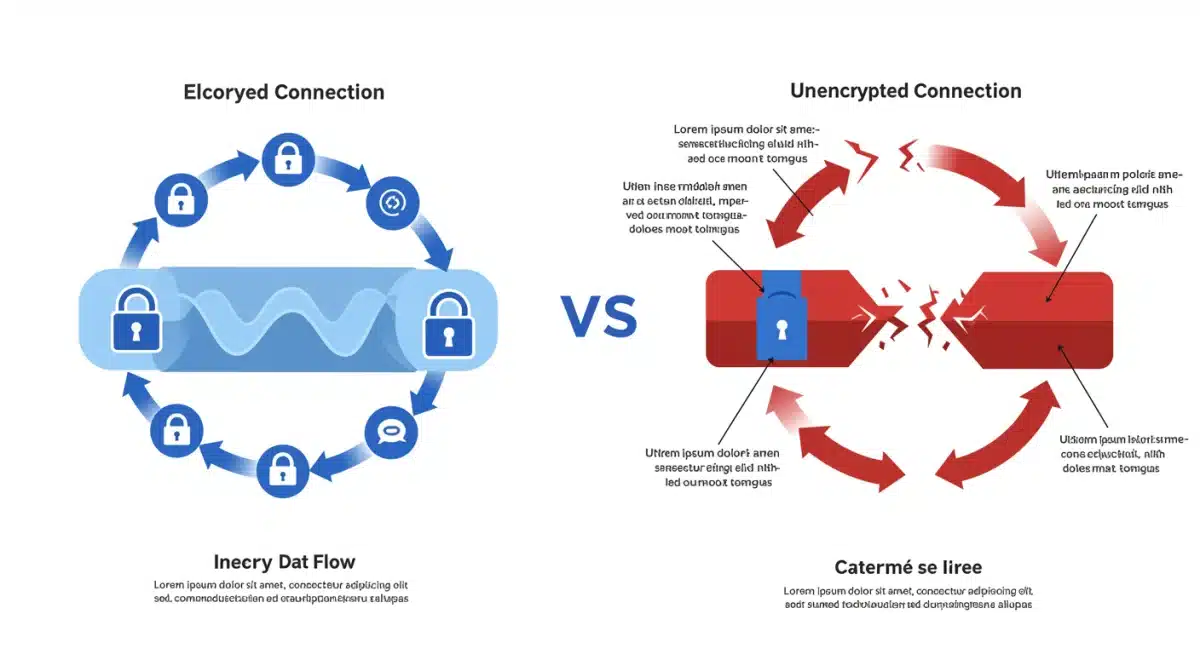
Public Wi-Fi networks present significant security risks. These connections are often unencrypted, making it easy for hackers to intercept data transmitted over the network. When you use public Wi-Fi at coffee shops, airports, or hotels, your personal information, passwords, and financial data become vulnerable to attack. A VPN encrypts your connection, rendering your data useless to anyone who might try to intercept it.
The security benefits extend beyond public networks. Even your home network can be vulnerable to attacks, especially if your router uses outdated security protocols. A VPN adds an additional layer of protection, ensuring that all your internet traffic is encrypted before it leaves your device. This becomes particularly important as smart home devices proliferate, each representing a potential entry point for cybercriminals.
Man-in-the-middle attacks represent another significant threat that VPNs mitigate effectively. In these attacks, a malicious actor intercepts communication between two parties, potentially stealing sensitive information or injecting harmful content. The encryption provided by VPNs makes such attacks virtually impossible, as the attacker cannot decode the encrypted data.
Essential Security Features
- Kill switch – Automatically disconnects internet if VPN drops
- DNS leak protection – Prevents DNS queries from revealing your location
- Split tunneling – Allows selective VPN routing
- Multi-hop connections – Routes traffic through multiple servers
The rise of remote work has amplified security concerns for both individuals and organizations. Employees accessing company resources from home often use less secure networks, creating potential entry points for cyberattacks. Corporate VPN solutions have evolved to address these concerns, offering dedicated servers, advanced authentication methods, and integration with enterprise security systems.
Streaming and Entertainment: Beyond Security
While privacy and security remain the primary reasons to use a VPN, the entertainment benefits have attracted millions of new users. Streaming services like Netflix, Hulu, Disney+, and HBO Max offer different content libraries depending on your geographic location. A VPN allows you to access these libraries from anywhere in the world, significantly expanding your entertainment options.
The technology behind streaming access works by allowing you to connect to servers in different countries. When you connect to a US server, streaming services interpret your location as being within the United States, granting you access to the American content library. This feature has become particularly popular among expatriates and travelers who want to access content from their home countries.
It’s important to note that streaming services have become increasingly sophisticated at detecting and blocking VPN connections. Premium VPN providers continuously update their server IP addresses to stay ahead of these detection methods. However, users should be aware that this practice exists in a legal gray area, and streaming services may terminate accounts if they detect VPN usage in violation of their terms of service.
Streaming Benefits Summary
- Access international content libraries
- Watch home country content while traveling
- Bypass blackout restrictions for sports events
- Enjoy smoother streaming with reduced ISP throttling
Another significant advantage relates to ISP throttling. Internet service providers sometimes intentionally slow down connections to specific types of traffic, particularly streaming video. Since a VPN encrypts your traffic, your ISP cannot determine what type of content you’re accessing, preventing selective throttling and potentially improving streaming performance.
Choosing the Right VPN for Your Needs
Selecting a VPN service requires careful consideration of several factors. The number and distribution of servers directly impacts your experience, as more servers mean better load distribution and more location options. Premium providers typically offer thousands of servers across dozens of countries, while free or budget options often provide limited choices.
Encryption standards should be a primary consideration. Look for providers offering AES-256 encryption, which represents the current gold standard. Additionally, examine the logging policy carefully. The best VPN providers follow a strict no-logs policy, meaning they do not record your browsing activity, connection timestamps, or IP addresses. This policy ensures that even if authorities request data, there is nothing to hand over.
Connection speed represents another crucial factor. VPNs inherently slow your connection due to the encryption process and routing through additional servers. However, premium services minimize this slowdown through optimized servers, modern protocols, and high-bandwidth infrastructure. Before committing to a service, test its speed with free trials or money-back guarantees.
Evaluation Criteria
- Server network size and geographic distribution
- Encryption standards and security features
- Logging policy and jurisdiction
- Connection speed and performance
- Device compatibility and simultaneous connections
- Customer support quality
Device compatibility matters more than ever in households with multiple devices. Most quality VPN providers offer apps for Windows, macOS, iOS, Android, and Linux, with some supporting routers, smart TVs, and gaming consoles. Consider how many devices you need to protect simultaneously, as this varies by provider and subscription tier.
Future of VPN Technology in 2026
The VPN industry continues evolving rapidly, with new technologies and features emerging regularly. WireGuard protocol adoption has accelerated, offering significant improvements in speed and efficiency over older protocols. This open-source solution has gained widespread support due to its cleaner code base and faster performance characteristics.
Artificial intelligence integration represents an emerging frontier for VPN technology. Some providers are exploring AI-powered threat detection that can identify and block malicious traffic in real-time. This development could significantly enhance security against sophisticated cyberattacks that traditional methods might miss.
Quantum computing concerns have begun influencing VPN development. While practical quantum computers capable of breaking current encryption remain years away, forward-thinking providers are already implementing quantum-resistant algorithms. This proactive approach ensures that VPN protection remains robust as computing technology advances.
Emerging Trends
- AI-powered threat detection systems
- Quantum-resistant encryption algorithms
- Enhanced multi-hop routing options
- Improved streaming optimization
- Better integration with smart home devices
The regulatory landscape continues shifting, with some countries implementing VPN bans while others develop comprehensive privacy frameworks. Users should stay informed about their local regulations to ensure they remain compliant while protecting their privacy. The ongoing debate between privacy rights and security concerns will likely shape VPN technology and availability for years to come.
| Key Point | Brief Description |
|---|---|
| Encryption Protection | AES-256 encryption creates an unbreakable tunnel between your device and the internet, protecting sensitive data from hackers and surveillance. |
| IP Address Masking | VPNs hide your real IP address, preventing websites, advertisers, and ISPs from tracking your location and online activities. |
| Public Wi-Fi Security | Encrypted connections protect your data on public networks, preventing man-in-the-middle attacks and data theft at coffee shops and airports. |
| Streaming Access | VPNs enable access to geo-restricted content libraries worldwide while preventing ISP throttling for smoother streaming experiences. |
Frequently Asked Questions
Yes, VPN usage is completely legal in the United States. Americans can use VPNs for privacy and security without legal consequences. However, using a VPN to commit illegal activities or bypass copyright restrictions may still violate specific laws. Most legitimate uses, including protecting personal data and accessing streaming content, fall within legal boundaries.
A VPN significantly enhances your privacy by encrypting traffic and masking your IP address, but it is not foolproof. Your VPN provider can still see your activity if they keep logs, and sophisticated adversaries may identify VPN usage through other methods. For maximum privacy, combine VPN usage with other security practices like secure browsers and encrypted messaging apps.
Free VPNs typically come with significant limitations and potential risks. They often have slower speeds, data caps, limited server options, and may collect and sell user data to generate revenue. Some free services have been found to contain malware or weak encryption. For reliable protection, premium VPN services with strong privacy policies are recommended.
VPNs always cause some speed reduction due to encryption overhead and server routing. However, modern premium VPNs minimize this impact through optimized servers and efficient protocols like WireGuard. Speed reduction typically ranges from 10% to 30%, which is barely noticeable for most activities. In some cases, VPNs can actually improve speeds by preventing ISP throttling.
Most VPN providers allow between 5 to 10 simultaneous connections per subscription. Premium services like NordVPN and ExpressVPN typically offer 6 connections, while others like Surfshark allow unlimited devices. You can also install VPN software on routers to protect all devices in your home through a single connection, effectively bypassing device limits.
Conclusion
Understanding VPNs and their privacy and security benefits has become essential in our increasingly connected world. These tools provide practical protection for your personal data, secure your connections on public networks, and offer additional benefits like streaming access and ISP throttling prevention. As we move through 2026, VPN technology continues advancing with improved protocols, AI-powered security features, and quantum-resistant encryption. Whether you’re concerned about privacy, security, or entertainment, investing in a quality VPN service represents a smart decision for anyone who values their digital wellbeing. Take time to evaluate your specific needs, test different providers, and choose a service that aligns with your priorities for a safer, more private online experience.
