
Ads
Ads
Sustainable home design integrates energy-efficient systems, eco-friendly materials, and smart technology to dramatically reduce environmental impact. By 2026, homeowners can achieve a 50% carbon footprint reduction through strategic choices in insulation, renewable energy, water conservation, and sustainable building practices.
Ads
The way Americans build and renovate homes is undergoing a quiet revolution. Sustainable Home Design isn’t just a trend anymore, it’s becoming the standard for forward-thinking homeowners who want to protect the environment while also saving money on utility bills. In this comprehensive guide, we’ll explore how you can cut your carbon footprint by nearly half by 2026 without sacrificing comfort or style.
Understanding Your Home’s Carbon Footprint
Before diving into design solutions, it’s essential to understand what contributes to your home’s carbon footprint. The average American household produces approximately 48 metric tons of carbon dioxide equivalent annually, according to the U.S. Environmental Protection Agency. This includes energy consumption for heating, cooling, electricity, water heating, and the embodied carbon in building materials and appliances.
Many homeowners are surprised to learn that heating and cooling account for nearly half of total energy use in most homes. Lighting, appliances, and electronics follow as significant contributors. Understanding these patterns helps you prioritize improvements that will yield the greatest environmental benefits.
The good news is that modern sustainable design offers solutions for every aspect of home energy consumption. From the moment you begin planning a renovation or new construction, you have the opportunity to make choices that will reduce your environmental impact for decades to come.
The Numbers Behind Sustainable Design
- Heating and cooling: 42% of residential energy use
- Water heating: 18% of residential energy use
- Lighting and appliances: 25% of residential energy use
- Other electronics: 15% of residential energy use
These statistics reveal why energy efficiency should be your primary focus when pursuing sustainable home design. Targeting the largest sources of energy consumption first typically provides the best return on investment while delivering the most significant carbon reduction.
Energy-Efficient Building Envelope
The building envelope, which includes walls, roofs, floors, windows, and doors, serves as the barrier between your indoor living space and the outside environment. A well-designed building envelope minimizes air leakage, prevents moisture damage, and maintains comfortable indoor temperatures with minimal energy input.
Insulation is the cornerstone of an energy-efficient envelope. Modern spray foam, cellulose, and mineral wool insulation materials offer superior thermal performance compared to older fiberglass installations. The U.S. Department of Energy recommends insulation levels based on your climate zone, with homes in extreme temperatures requiring higher R-values for optimal performance.
Windows represent both a significant opportunity and a challenge in sustainable design. Modern triple-pane windows with low-emissivity coatings can reduce heat transfer by up to 70% compared to single-pane alternatives. While the initial investment is higher, the energy savings typically offset the cost within seven to ten years.
Key Elements of Building Envelope Design
- Continuous insulation without thermal bridges
- Air sealing at all joints and penetrations
- Quality windows with proper installation
- Ventilated attics and crawl spaces
- High-performance exterior doors
Working with a qualified contractor who understands sustainable building science is crucial. Even the best materials can underperform if installed incorrectly. Look for professionals with certifications from organizations like the Building Performance Institute or RESNET.
Renewable Energy Integration
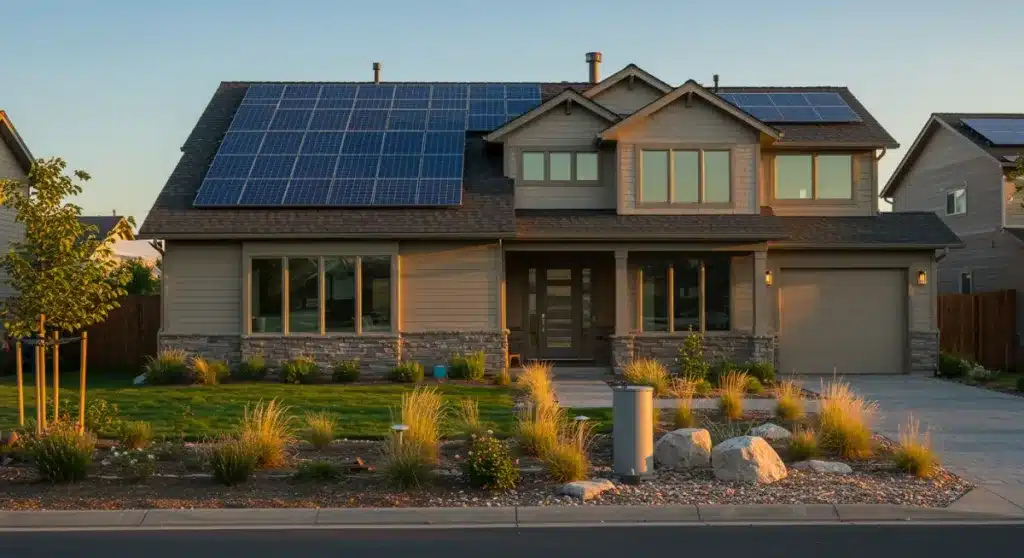
Solar photovoltaic systems have become increasingly affordable, with installation costs dropping by more than 70% over the past decade. For many American homeowners, going solar now makes financial sense even without maximum incentives. A properly sized solar system can offset 80-100% of your electricity consumption, dramatically reducing your carbon footprint.
Solar panels work by converting sunlight into electricity without any emissions during operation. The average residential solar installation produces清洁 energy for 25-30 years with minimal maintenance. When paired with battery storage, you can maintain power during outages while maximizing your use of clean energy.
Geothermal heat pump systems represent another powerful option for sustainable heating and cooling. These systems use the stable temperatures underground to provide incredibly efficient climate control, often achieving coefficients of performance above 400%. While installation costs are higher than conventional systems, the long-term savings and environmental benefits are substantial.
Community solar programs offer alternatives for homeowners who cannot install panels on their own property. These shared solar gardens allow you to subscribe to a portion of a local solar installation and receive credits on your utility bill. It’s an excellent option for renters or those with unsuitable rooftops.
Smart Home Technology for Energy Management
Modern smart home technology provides unprecedented control over energy consumption. Smart thermostats learn your schedule and preferences, automatically adjusting temperatures to maximize comfort while minimizing waste. Studies show that smart thermostats can reduce heating and cooling costs by 10-15% on average.
Smart lighting systems eliminate waste from forgotten lights while providing customizable ambiance. LED bulbs used with smart controls can last 25 times longer than incandescent bulbs while using 75% less energy. Motion sensors and scheduling features ensure lights are only on when needed.
Energy monitoring systems provide detailed insights into your consumption patterns. These devices track electricity use in real-time, helping you identify energy-wasting appliances or behaviors. Many smart monitors integrate with voice assistants, allowing you to check your energy use with simple voice commands.
Essential Smart Home Devices
- Learning thermostats with remote sensors
- Smart lighting with dimming and scheduling
- Energy monitoring with appliance tracking
- Smart plugs for vampire load control
- Automated blinds for solar gain management
The initial investment in smart home technology pays dividends over time. Beyond energy savings, these systems add convenience and can increase your home’s value. Many utility companies offer rebates or incentives for installing smart thermostats, further reducing your costs.
Water Conservation Strategies
Water heating accounts for nearly 20% of home energy consumption, making water conservation a critical component of sustainable design. Low-flow fixtures, efficient appliances, and smart irrigation systems can reduce water use by 30-50% without sacrificing performance.
Heat pump water heaters represent one of the most efficient options for domestic hot water. These devices work like reverse refrigerators, extracting heat from the air to warm water rather than generating heat directly. The result is exceptional efficiency, with some models achieving coefficients of performance above 3.0.
Rainwater harvesting and greywater recycling systems provide alternative water sources for irrigation, toilet flushing, and other non-potable uses. While initial costs can be significant, these systems reduce both water bills and strain on municipal infrastructure.
Landscape design plays a crucial role in outdoor water consumption. Native plants adapted to your region’s climate require minimal irrigation once established. Drip irrigation systems deliver water directly to plant roots, reducing evaporation and runoff compared to traditional sprinklers.
Sustainable Materials and Indoor Air Quality
The materials used in construction and renovation significantly impact both environmental footprint and indoor air quality. Traditional building materials often contain volatile organic compounds that off-gas harmful chemicals over time. Sustainable alternatives provide healthier indoor environments while reducing embodied carbon.
Wood from certified sustainable forests, recycled steel, and bamboo flooring offer beautiful alternatives to conventional materials. Insulation made from recycled denim, cellulose, or mineral wool provides excellent thermal performance without the health concerns associated with some fiberglass products.
Indoor air quality directly affects health and comfort. Proper ventilation, air filtration, and low-VOC paints and finishes create healthier living spaces. Whole-house air cleaners and humidity control systems further improve indoor environments, especially important for households with allergies or respiratory conditions.
Sustainable Material Choices
- FSC-certified wood and bamboo flooring
- Recycled content insulation materials
- Low-VOC paints and finishes
- Recycled or reclaimed countertops
- Environmentally responsible roofing materials
Choosing sustainable materials supports responsible manufacturing practices while creating healthier homes. Many of these materials also offer durability advantages, reducing the need for replacement and further minimizing environmental impact over time.
Financial Incentives and Long-Term Savings
Federal, state, and local incentives make sustainable home improvements more affordable than ever. The federal residential energy efficiency tax credit covers 30% of the cost of qualifying improvements, including solar systems, heat pumps, and insulation. Many states offer additional rebates and incentives that can significantly reduce your out-of-pocket expenses.
Utility companies frequently provide rebates for energy-efficient appliances, smart thermostats, and insulation improvements. Some offer on-bill financing programs that allow you to pay for upgrades through your utility bills over time. Property assessed clean energy programs provide another financing option, tying repayment to your property tax assessment.
Beyond incentives, the ongoing savings from reduced energy and water consumption provide substantial returns. The average American household spends approximately $2,200 annually on utility bills. Sustainable improvements can reduce these costs by 30-50%, saving thousands of dollars over the lifespan of the upgrades.
Home value increases are another significant benefit. Studies consistently show that energy-efficient homes sell for higher prices than comparable conventional homes. Buyers recognize the value of lower operating costs and are willing to pay premiums for sustainable features.
| Key Point | Brief Description |
|---|---|
| Building Envelope | Proper insulation, air sealing, and high-performance windows reduce heating and cooling energy use by up to 40%. |
| Renewable Energy | Solar panels and geothermal systems can offset 80-100% of electricity consumption and dramatically reduce carbon emissions. |
| Smart Technology | Intelligent thermostats and energy monitors provide precise control, reducing utility costs by 10-15% on average. |
| Water Conservation | Efficient fixtures and heat pump water heaters cut water heating costs while preserving precious water resources. |
Frequently Asked Questions
Costs vary widely based on your starting point and goals. Basic improvements like weatherization and smart thermostats cost $1,500-$5,000. Comprehensive retrofits with solar and heat pumps typically range from $20,000-$50,000. Federal tax credits and utility rebates often offset 30% or more of these costs, making sustainable improvements more accessible than ever.
Yes, significant reductions are possible through strategic improvements. Adding solar panels, upgrading insulation, installing a smart thermostat, and switching to LED lighting can achieve 40-60% carbon reduction even in existing homes. The key is prioritizing high-impact changes that address your largest energy uses first.
Payback periods depend on the improvement and local utility costs. Smart thermostats typically pay back in 1-2 years. Solar systems usually offset costs in 7-10 years. Comprehensive energy retrofits generally achieve full payback in 12-20 years, but ongoing savings continue thereafter, making them sound long-term investments.
Absolutely. Sustainable homes with proper insulation and ventilation maintain more consistent temperatures throughout the year. Enhanced air filtration improves indoor air quality, reducing allergens and pollutants. Many homeowners report that sustainable homes feel more comfortable and healthier than conventional construction.
Yes, sustainable features consistently increase home values. Studies show energy-efficient homes sell for 5-10% more than comparable conventional homes. Solar panels, in particular, provide strong returns, with many buyers willing to pay premium prices for homes with lower operating costs.
Conclusion
The path to reducing your home’s carbon footprint by 50% in 2026 is clearer than ever. Sustainable home design combines proven technologies, smart technology, and thoughtful material choices to create living spaces that are both environmentally responsible and economically sensible. Whether you’re planning a major renovation or making incremental improvements, every step toward sustainability counts. The benefits extend beyond lower utility bills to include healthier indoor environments, increased home value, and the satisfaction of reducing your environmental impact. Start with an energy audit, prioritize improvements based on your budget and goals, and take advantage of available incentives. Your sustainable home journey begins with a single decision to build smarter.
