

Ads
Ads
This guide reveals the five most common skincare mistakes people make daily, including over-cleansing, skipping sunscreen, and using too many products, with practical solutions for each to help you build an effective skincare routine.
Ads
Have you ever wondered why your skin never looks as good as you want it to, no matter how many expensive products you buy? The truth is, it might not be about what you are using, but rather about what you are doing wrong. 5 Common Skincare Mistakes You Might Be Making (and How to Fix Them) is your roadmap to understanding the everyday habits that could be sabotaging your skin health. From over-cleansing to skipping the most important step in any routine, these mistakes are more common than you think, and the fixes are simpler than you would expect. Keep reading to discover how small changes can lead to dramatic improvements in your skin’s appearance and health.
Over-Cleaning and Harsh Exfoliation
One of the most widespread skincare mistakes involves cleaning your face too aggressively or too often. Many people believe that scrubbing their skin vigorously will remove all the dirt, oil, and impurities, leaving them with cleaner, healthier skin. The reality is quite different. When you over-clean or exfoliate, you strip away the skin’s natural protective barrier, known as the moisture barrier, which keeps hydration in and harmful elements out.
Your skin produces oils naturally to maintain its health and protection. When you remove these oils too frequently, your skin responds by producing more oil to compensate, creating a frustrating cycle of greasiness and breakouts. Harsh scrubs with large particles can also cause micro-tears in the skin, leading to irritation, redness, and sensitivity over time.
Signs You Are Over-Cleaning
- Your skin feels tight or squeaky clean after washing
- You experience frequent breakouts despite a strict cleansing routine
- Your skin appears red, irritated, or flaky
- You need to moisturize constantly to avoid dryness
The solution is simpler than you might think. Switch to a gentle, sulfate-free cleanser and use it no more than twice daily, once in the morning and once at night. When it comes to exfoliation, limit physical scrubs to two or three times per week, and consider chemical exfoliants like AHAs and BHAs, which are gentler and more effective at dissolving dead skin cells without causing physical damage.
Skipping Sunscreen: The Silent Skin Damager
If there is one mistake that dermatologists wish everyone would stop making, it is skipping sunscreen. Ultraviolet rays from the sun are the primary cause of premature aging, dark spots, and skin cancer. Yet, millions of people skip this crucial step in their daily routine, either because they believe they do not need it on cloudy days or because they think their makeup provides enough protection.

The truth is that UV rays penetrate clouds and windows, meaning your skin is being damaged even when you are indoors or on a gray day. Additionally, most makeup products with SPF do not provide enough protection to make a meaningful difference. You would need to apply foundation layers that nobody would realistically wear to get the protection listed on the bottle.
How to Apply Sunscreen Correctly
- Use a broad-spectrum sunscreen with at least SPF 30
- Apply generously, about a teaspoon for your face alone
- Reapply every two hours when outdoors
- Do not forget often-missed areas like your neck, ears, and the back of your hands
Making sunscreen a non-negotiable part of your morning routine is one of the most powerful things you can do for your skin. It prevents wrinkles, evens out skin tone, and dramatically reduces your risk of skin cancer. Think of it as your skin’s best insurance policy against damage.
Using Too Many Products Simultaneously
In the age of social media and endless skincare recommendations, it is easy to fall into the trap of using too many products at once. The temptation to try every trending ingredient and innovative formula can lead to overwhelmed skin that cannot handle the bombardment of active ingredients. When you layer too many products, especially those containing strong actives like retinol, vitamin C, or AHAs, you risk causing irritation, redness, and breakouts.
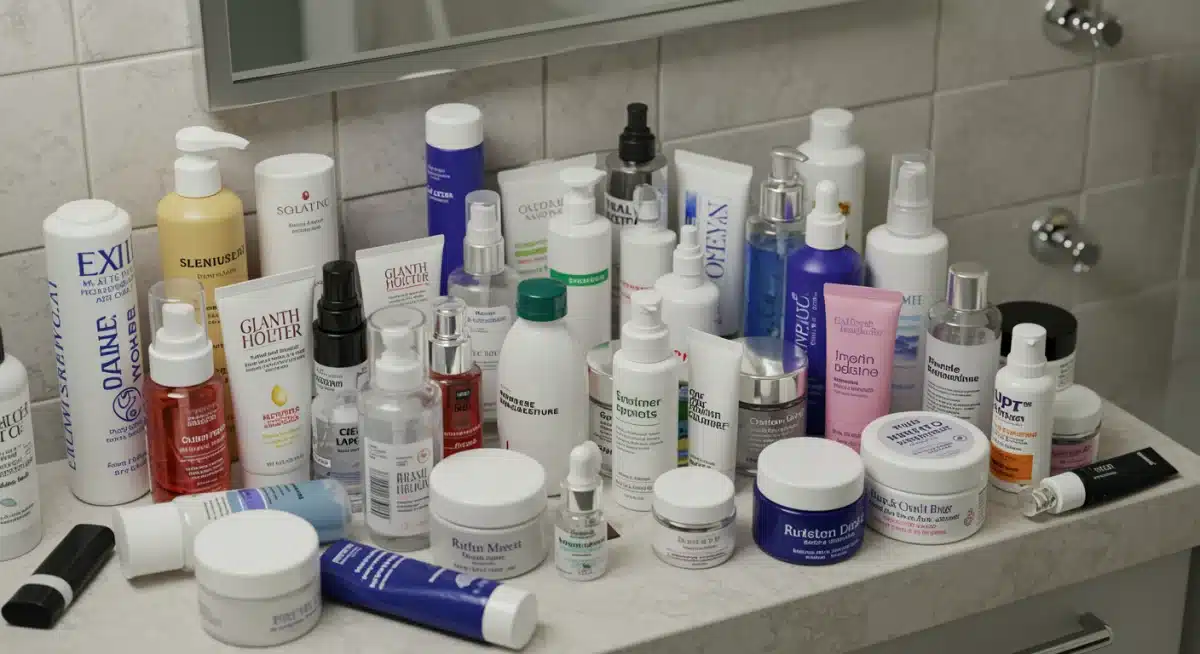
Your skin has a limit to how much it can absorb and tolerate at any given time. Introducing too many new products simultaneously makes it impossible to identify what is working and what is causing problems. When your skin reacts negatively, you have no way of knowing which product is to blame.
The Simple Solution
- Introduce one new product at a time, waiting two to three weeks before adding another
- Focus on the basics: cleanser, moisturizer, and sunscreen first
- Add active ingredients gradually, starting with lower concentrations
- Keep a skincare journal to track products and their effects
Building a streamlined routine with quality over quantity will serve your skin much better than a cabinet full of half-used products. Start with the essentials and layer in additional products only when your skin has fully adjusted.
Ignoring the Importance of Patch Testing
How often have you bought a new skincare product and immediately applied it all over your face? If your answer is often, you are not alone. Patch testing is one of the most commonly skipped steps in skincare, yet it is one of the most important for preventing adverse reactions. Skipping this simple step can lead to severe allergic reactions, breakouts, and skin irritation that could have been easily avoided.
Many people do not realize they have sensitivities to certain ingredients until they experience a reaction. Common culprits include fragrances, certain preservatives, and essential oils. These ingredients can cause anything from mild redness to full-blown dermatitis, which can take weeks to heal.
How to Patch Test Properly
- Apply a small amount of product on your inner forearm or behind your ear
- Wait 24 to 48 hours to observe any reactions
- If no reaction occurs, test a small area on your face
- Continue monitoring for several days before applying all over
This simple practice takes only a few minutes but can save you from days or weeks of skin distress. Making patch testing a habit before trying any new product is a small change that makes a big difference.
Neglecting Moisturizer: A Costly Mistake
Many people, especially those with oily skin, believe they can skip moisturizer. The logic often goes: my skin produces enough oil, so why add more? This is a fundamental misunderstanding of how skin works. Oily skin still needs hydration, and when you deprive it of moisture, your skin may actually produce more oil to compensate.
Moisturizer does not add oil to your skin; it helps lock in the water your skin already contains and supports the skin barrier function. Without proper hydration, your skin becomes more susceptible to environmental damage, premature aging, and sensitivity. Even if you have acne-prone or oily skin, choosing the right moisturizer can actually help control excess oil production.
Choosing the Right Moisturizer
- For oily skin, look for lightweight, non-comedogenic formulas
- For dry skin, opt for thicker creams with ingredients like ceramides and hyaluronic acid
- Consider your environment and adjust your moisturizer seasonally
- Apply moisturizer on damp skin for better absorption
Finding the right moisturizer for your skin type is one of the most transformative steps you can take. It creates the foundation upon which all other skincare products work more effectively.
Sleeping with Makeup On
After a long day, the last thing many people want to do is spend extra time removing their makeup. However, sleeping with makeup on is one of the most damaging habits for your skin. When you sleep with makeup, you are trapping dirt, oil, bacteria, and environmental pollutants against your skin for hours, preventing it from breathing and regenerating as it should overnight.
Your skin does most of its repair and regeneration while you sleep. When makeup and impurities are blocking your pores, this process is significantly impaired. The result is duller skin, more breakouts, accelerated aging, and a compromised skin barrier. Over time, this habit takes a visible toll on your skin’s health and appearance.
Making Makeup Removal Easier
- Keep makeup remover wipes or micellar water by your bedside for lazy nights
- Double cleanse: start with an oil-based remover, then follow with your regular cleanser
- Make it part of your evening routine, just like brushing your teeth
- Consider the habit of removing makeup before you change into your pajamas
Even on nights when you feel too tired to complete a full cleansing routine, taking just a minute to remove your makeup can make an enormous difference in your skin’s long-term health.
| Common Mistake | Simple Fix |
|---|---|
| Over-cleaning and harsh scrubbing | Use gentle cleanser twice daily, limit physical exfoliation to 2-3 times per week |
| Skipping sunscreen | Apply broad-spectrum SPF 30 daily, reapply every two hours when outdoors |
| Using too many products | Introduce one new product at a time, focus on basics first |
| Skipping moisturizer and patch testing | Moisturize daily based on skin type, always patch test new products before full application |
Frequently Asked Questions
Most people notice improvements within two to four weeks of correcting their skincare habits. However, deeper issues like hyperpigmentation or texture problems may take two to three months to show significant changes. Consistency is key, so stick with your improved routine for at least eight weeks before evaluating results.
It is best to address one change at a time, especially if you are introducing new products. Trying to correct everything simultaneously can overwhelm your skin and make it difficult to identify what is working. Start with the most impactful changes, like adding sunscreen and fixing your cleansing routine, then gradually address other areas.
Key ingredients depend on your skin concerns, but some universally beneficial options include hyaluronic acid for hydration, niacinamide for barrier support, retinol for anti-aging, and vitamin C for brightening. Always introduce active ingredients slowly and patch test to ensure your skin tolerates them well.
Signs of a compromised skin barrier include persistent dryness, redness, flaking, tightness, and increased sensitivity. If products that never bothered you before now cause stinging or irritation, your barrier may need repair. Focus on gentle cleansing, hydrating products, and avoid harsh active ingredients until your skin recovers.
Eye creams are optional but can be beneficial for specific concerns like dark circles, puffiness, or fine lines. The skin around your eyes is thinner and more delicate, so eye creams are typically formulated to be gentler. However, a good moisturizer applied gently around the eye area can work well for many people, especially if budget is a concern.
Conclusion
Transforming your skincare routine does not require an overhaul of your entire beauty cabinet or a complete lifestyle change. By recognizing and addressing these five common skincare mistakes, you can make significant strides toward healthier, more radiant skin. Remember that consistency beats perfection, and small daily habits compound over time into lasting results. Start with one change, observe how your skin responds, and gradually build a routine that works for your unique skin needs. Your skin will thank you for the attention and care you give it today.
