
Ads
Ads
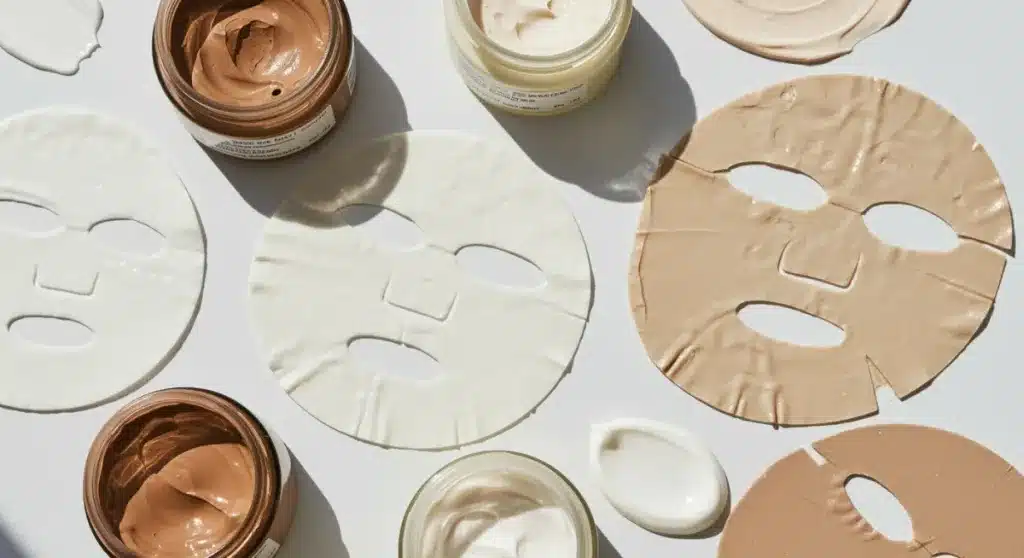
Face masks deliver concentrated active ingredients to address specific skin concerns, from acne breakouts to dehydration, making them essential additions to any skincare routine.
Ads
Finding the best face masks for your specific skin concerns can feel overwhelming with countless options lining store shelves and populating online shops. Whether you struggle with persistent acne, battle dry patches that refuse to disappear, or notice fine lines creeping in, the right face mask could become your skincare secret weapon. These concentrated treatments work by creating a barrier that forces active ingredients deeper into your skin, delivering results that regular daily moisturizers simply cannot match. In this comprehensive guide, we will explore the best face masks tailored to address every common skin concern, helping you build a mask wardrobe that transforms your complexion.
Understanding Your Skin Type and Concerns
Before diving into specific mask recommendations, understanding your skin type forms the foundation of effective mask selection. Skin generally falls into categories: normal, oily, dry, combination, and sensitive, each requiring different ingredients and approaches. Beyond basic type, identifying your primary concerns helps narrow down the vast array of mask options available today.
Many people discover they have multiple concerns simultaneously, which is entirely normal. You might struggle with oiliness in your T-zone while experiencing dryness on your cheeks, or battle acne while also noticing early signs of aging. Recognizing these nuances allows you to rotate different masks throughout your routine, targeting each concern with specialized formulations.
Common Skin Concerns Addressed by Face Masks
- Acne and breakouts caused by excess oil and bacteria
- Dryness and dehydration leading to tight, flaky skin
- Fine lines and loss of firmness associated with aging
- Dullness and uneven skin tone lacking radiance
- Sensitivity and redness requiring gentle, calming ingredients
- Large pores and uneven texture affecting smoothness
Matching your concerns to the appropriate mask ingredients dramatically increases effectiveness. A clay mask draws out impurities for oily, acne-prone skin, while a rich cream mask locks in moisture for dry complexions. Understanding this relationship between ingredients and outcomes empowers you to make informed decisions rather than randomly selecting products based on packaging or marketing claims.
Face Masks for Acne-Prone and Oily Skin
Acne-prone skin requires masks that can control excess sebate production, clear existing breakouts, and prevent future blemishes from forming. The best face masks for this concern typically feature ingredients known for their purifying and antibacterial properties.
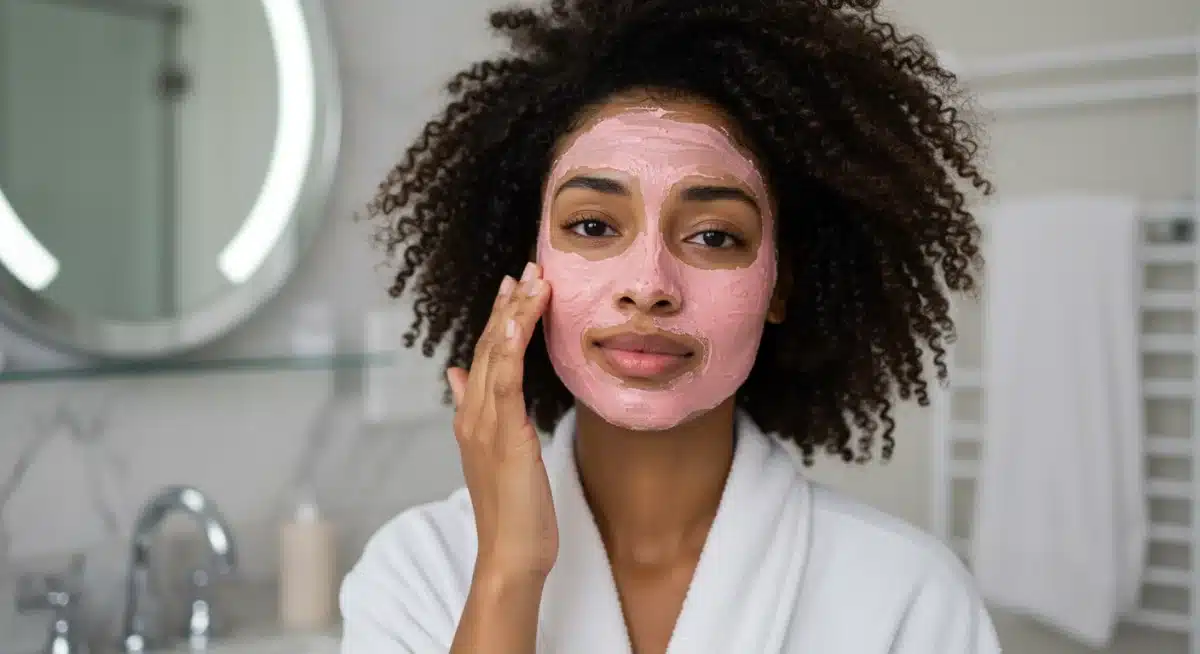
Clay masks have stood the test of time as go-to treatments for oily, acne-prone skin. Kaolin clay, also known as China clay, offers gentle yet effective oil absorption without overly stripping the skin. Bentonite clay, derived from volcanic ash, draws out impurities more aggressively, making it suitable for severe breakouts. These clays work by absorbing excess oil from pores while the minerals in the clay help soothe inflammation and kill acne-causing bacteria.
Top Ingredients for Acne-Fighting Masks
- Salicylic acid penetrates pores to dissolve sebum clogs
- Tea tree oil provides natural antibacterial properties
- Sulfur reduces oil production and fights bacteria
- Niacinamide regulates sebum and calms inflammation
- Zinc helps heal blemishes and reduces redness
When using acne-fighting masks, consistency matters more than intensity. Applying a clay mask two to three times per week keeps oil production in check without over-drying your skin. Overusing these masks can trigger rebound oiliness as your skin attempts to compensate for the stripping effect. Always follow with a non-comedogenic moisturizer to maintain balance.
Hydrating Masks for Dry and Dehydrated Skin
Dry skin lacks the lipids necessary to maintain a healthy moisture barrier, while dehydrated skin lacks water content. Both conditions benefit from masks designed to replenish and lock in hydration. The best face masks for dryness deliver intense moisture through humectants that draw water into the skin and emollients that seal it in place.
Hyaluronic acid has become the gold standard for hydration, capable of holding up to 1000 times its weight in water. When used in mask form, it penetrates the skin’s surface to provide deep, lasting hydration. Sheet masks soaked in hyaluronic acid serums offer excellent delivery systems, ensuring the ingredient remains in contact with the skin for extended periods.
Best Hydrating Ingredients to Look For
- Hyaluronic acid attracts and retains moisture in skin cells
- Glycerin softens and smooths while drawing water
- Squalane mimics skin’s natural oils for barrier support
- Ceramides restore damaged moisture barriers
- Honey provides natural humectant and antibacterial benefits
Cream-based masks offer richer formulations ideal for extremely dry skin. These masks often contain butters and oils that create a protective seal, preventing moisture loss throughout the treatment. For best results, apply hydrating masks to slightly damp skin, which helps lock in the existing water content. Leave the mask on for the recommended time, typically fifteen to twenty minutes, before massaging any remaining product into your skin.
Anti-Aging Masks for Mature Skin
As we age, our skin’s natural cell turnover slows, collagen production decreases, and existing collagen breaks down faster. The best face masks for aging skin address these changes by promoting cell renewal, boosting collagen, and providing antioxidant protection.
Retinol and vitamin A derivatives accelerate cell turnover, revealing fresher, younger-looking skin with regular use. However, these ingredients can cause sensitivity, making them better suited for evening routines and occasional mask use. Vitamin C masks brighten the complexion while protecting against environmental damage that accelerates aging. Peptide-infused masks support collagen production, helping maintain skin’s firmness and elasticity over time.
Key Anti-Aging Ingredients
- Retinol stimulates cell turnover and collagen synthesis
- Vitamin C provides antioxidant protection and brightening
- Peptides signal skin to produce more collagen
- Resveratrol fights free radicals that cause premature aging
- Gold particles improve elasticity and reduce wrinkles
Sheet masks have become particularly popular for anti-aging treatments because they allow active ingredients to penetrate deeply while preventing evaporation. The occlusion created by the sheet forces ingredients deeper into the skin, maximizing their effectiveness. Look for masks containing multiple anti-aging ingredients for comprehensive treatment in a single session.
Brightening Masks for Dull and Uneven Tone
Dull skin lacking radiance often results from slow cell turnover, accumulated dead skin cells, and environmental damage. The best face masks for brightening address these issues by exfoliating, protecting, and illuminating the complexion from within.
Alpha hydroxy acids (AHAs) like glycolic and lactic acid dissolve the bonds between dead skin cells, revealing the brighter, fresher skin underneath. These chemical exfoliants offer more uniform results than physical scrubs and are less likely to cause micro-tears in the skin. Regular use of AHA masks can significantly improve skin texture, reduce the appearance of dark spots, and restore natural radiance.
Brightening Powerhouses
- Glycolic acid penetrates deeply for thorough exfoliation
- Lactic acid offers gentle brightening with hydration
- Vitamin C inhibits melanin production for even tone
- Arbutin naturally lightens dark spots and hyperpigmentation
- Turmeric provides anti-inflammatory brightening benefits
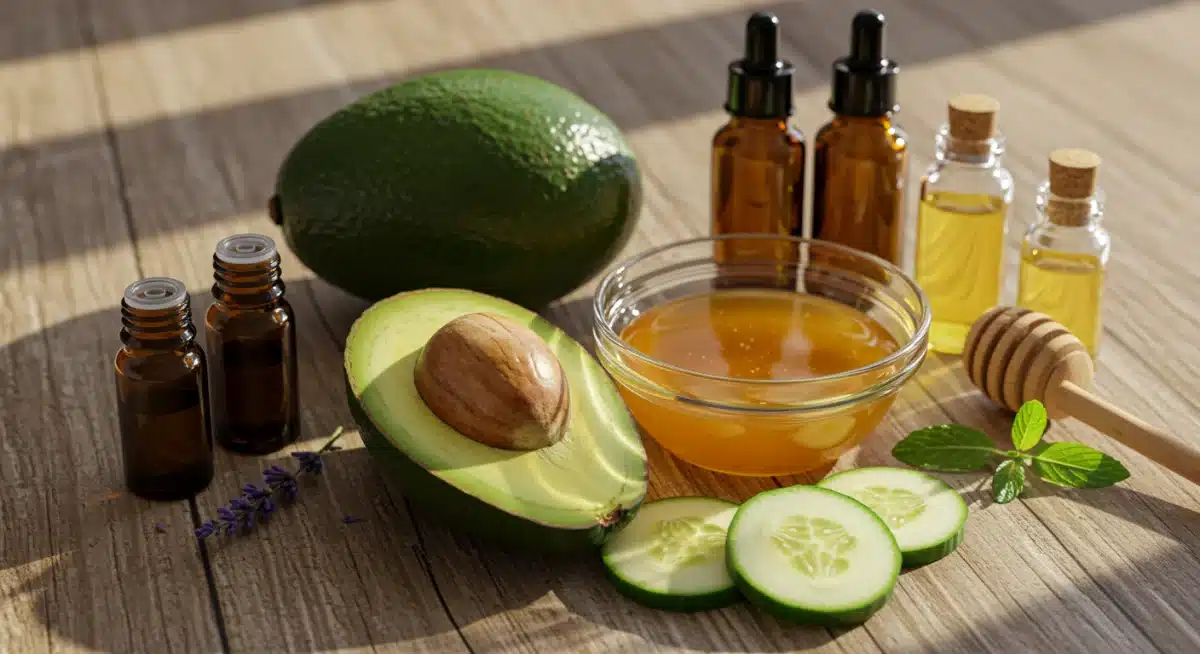
For those preferring natural options, masks incorporating turmeric, lemon, and papaya offer gentle brightening without harsh chemicals. These ingredients work gradually, requiring consistent use over time to see significant results. The advantage lies in their tolerability, making them suitable for sensitive skin types that cannot tolerate stronger exfoliating agents.
Soothing Masks for Sensitive and Irritated Skin
Sensitive skin requires gentle formulations that calm inflammation without causing further irritation. The best face masks for this skin type focus on strengthening the skin barrier, reducing redness, and providing comfort rather than aggressive treatment.
Aloe vera remains the cornerstone ingredient for soothing masks, containing compounds that reduce inflammation and promote healing. Centella asiatica, also known as cica, has gained tremendous popularity for its ability to repair damaged skin barriers and calm irritated complexions. These ingredients work together to reduce redness, ease discomfort, and protect sensitive skin from environmental triggers.
Calming Ingredients for Sensitive Skin
- Aloe vera soothes inflammation and accelerates healing
- Centella asiatica repairs and protects skin barriers
- Chamomile provides anti-inflammatory comfort
- Green tea offers antioxidant protection without irritation
- Snail mucus hydrates and promotes skin regeneration
When selecting masks for sensitive skin, avoiding common irritants becomes crucial. Fragrance, essential oils, and alcohol can trigger reactions in sensitized skin. Patch testing new products before full application helps identify potential reactions early. Many brands now offer formulations specifically labeled for sensitive skin, providing peace of mind for those with reactive complexions.
How to Choose and Use Face Masks Effectively
Selecting the right mask involves considering your skin type, primary concerns, and lifestyle factors. A well-rounded mask collection typically includes a hydrating option for daily use, a treatment mask for specific concerns, and a gentle option for sensitive days. Rotating between different masks allows you to address multiple concerns without overwhelming your skin.
Application technique significantly impacts mask effectiveness. Cleanse your face thoroughly before applying any mask to ensure proper ingredient penetration. Use a generous layer, avoiding the eye and lip areas unless the product specifically indicates safety for these zones. Timing matters enormously; leaving masks on too long can cause irritation, while removing them too early wastes their potential.
Building Your Mask Routine
- Cleanse thoroughly before applying any mask
- Apply to slightly damp skin for better absorption
- Follow recommended timing instructions precisely
- Follow with appropriate moisturizer to seal in benefits
- Use treatment masks two to three times weekly maximum
Storage and freshness affect mask performance significantly. Natural and preservative-free masks typically require refrigeration and have shorter shelf lives. Clay masks in tubes stay fresh longer than those in jars, which are exposed to air and fingers each use. Paying attention to expiration dates and storage recommendations ensures you get the most benefit from your investment.
| Skin Concern | Best Mask Type |
|---|---|
| Acne and Oily Skin | Clay masks with salicylic acid or sulfur |
| Dry or Dehydrated | Cream masks with hyaluronic acid and ceramides |
| Aging or Mature | Sheet masks with retinol, peptides, or vitamin C |
| Dull or Uneven Tone | AHA masks with glycolic or lactic acid |
Frequently Asked Questions
Most face masks should be used two to three times per week for optimal results. Clay and treatment masks can cause irritation if used too frequently, while hydrating masks may be used more often if your skin tolerates them well. Always follow product instructions and adjust based on how your skin responds.
Leaving most face masks on overnight is not recommended and can cause irritation or breakouts. Wash-off masks should be removed after the specified time, usually fifteen to twenty minutes. Only sleep masks specifically formulated for overnight use should be left on while you sleep, and these are typically lightweight gel or cream formulations.
Sheet masks are pre-cut fabric or paper sheets soaked in concentrated serum that conform to the face, allowing for deep penetration of active ingredients. Cream masks are thicker formulations that come in jars or tubes and are applied with fingers. Sheet masks are generally more hygienic and convenient, while cream masks offer more customization in application amount.
Yes, but you should choose masks specifically formulated for sensitive skin and avoid those containing fragrances, essential oils, or harsh exfoliants. Look for calming ingredients like aloe vera, chamomile, and centella asiatica. Always patch test a new mask on a small area of skin before applying it to your entire face to check for reactions.
Face masks deliver higher concentrations of active ingredients and create a barrier that forces them deeper into the skin, making them more effective than daily skincare products used alone. However, they work best as part of a complete skincare routine that includes cleansing, toning, and moisturizing. Masks provide treatment benefits that complement your everyday products.
Conclusion
Building an effective face mask collection requires understanding your unique skin concerns and selecting products with ingredients specifically designed to address them. Whether you struggle with acne, dryness, aging, dullness, or sensitivity, the right masks can transform your complexion when used consistently and correctly. Remember to introduce new masks gradually, pay attention to how your skin responds, and always follow with appropriate moisturizers to lock in benefits. With the knowledge from this guide, you are now equipped to choose the best face masks for your individual needs and build a skincare routine that delivers real, visible results.
