
Ads
Ads
Learn how to double your storage space in 3 days with practical home organization hacks that transform cluttered spaces into organized havens.
Ads
Feeling suffocated by clutter? You are not alone. The average American home contains approximately 300,000 items, and most people use only a fraction of their available storage space. This comprehensive guide presents actionable Home Organization Hacks designed to double your storage capacity in just three days. Whether you are dealing with a cramped apartment or a cluttered garage, these proven strategies will help you reclaim your space and restore order to your living environment.
Understanding Your Current Storage Situation
Before diving into any organization project, you need to understand what you are working with. Take a thorough inventory of your belongings and identify the real problem areas in your home. Walk through each room with a notebook, documenting where clutter accumulates and which storage solutions are currently failing you. This assessment phase reveals hidden opportunities you might otherwise miss.
Many homeowners discover untapped storage potential in unexpected places. That awkward corner next to the refrigerator could house a narrow rolling cart. The empty wall space above your closet rods might accommodate additional shelving. Even the back of closet doors remains vastly underutilized in most homes. Photograph your spaces before organizing to establish a baseline and track your progress over time.
Common Storage Mistakes
- Buying organizers before assessing actual needs leads to mismatched solutions
- Keeping items out of habit rather than genuine usefulness wastes precious space
- Ignoring vertical space limits your storage potential significantly
- Storing items in inconvenient locations discourages proper organization
Understanding these pitfalls helps you avoid repeating the same patterns that created your clutter in the first place. The goal is not just organization but sustainable systems that work with your daily lifestyle.
Day One: The Great Declutter
The first day focuses entirely on removing what you no longer need. This process requires brutal honesty and a systematic approach. Create four distinct categories: keep, donate, sell, and discard. Work through one room at a time, completing each space before moving to the next. This method provides visible progress that motivates you to continue.
Focus on high-impact areas that typically yield the most dramatic results. Kitchen cabinets, bedroom closets, and bathroom vanities often contain significant quantities of unused items. Set a timer for each session, working in focused 25-minute increments followed by short breaks. This technique maintains energy and prevents burnout while ensuring meaningful progress.
The 90-Day Rule
- Ask yourself when you last used each item honestly
- If you have not touched something in 90 days, seriously question keeping it
- Seasonal items are the exception to this rule
- Emotional attachment to objects often masks genuine need
Be ruthless but fair. The items you remove create the foundation for your doubled storage space. Every piece of clutter you eliminate frees up room for the belongings that truly matter to your daily life.
Day Two: Strategic Organization Systems
With excess items removed, day two involves implementing storage systems that maximize your remaining space. This is where genuine transformation happens. Adjust shelf heights to accommodate items of varying sizes. Add hooks to closet doors and interior walls. Install tension rods inside cabinets to create additional hanging space for cleaning supplies or accessories.
Label everything clearly. When every item has a designated home, organization becomes effortless. Family members can return things to their proper places without guessing. Labels also help maintain your system over time, preventing the gradual drift back toward clutter.
Space-Maximizing Solutions
- Double-stack shelves in closets using stackable bins
- Use drawer dividers for kitchen utensils and office supplies
- Install over-the-door pocket organizers for shoes or cleaning products
- Add rolling storage carts for flexible, movable solutions
- Utilize under-bed storage for seasonal clothing and linens
These solutions work together to create comprehensive coverage across your entire home. The investment in proper systems pays dividends in daily convenience and long-term maintenance.
Day Three: Fine-Tuning and Maintenance
The final day focuses on refining your systems and establishing habits that preserve your newly organized space. Test each area by simulating daily use. Can you reach frequently needed items easily? Do return trips to storage locations require excessive effort? Adjust anything that feels inconvenient.
Create simple daily habits that prevent regression. A five-minute evening reset, where you return items to their designated spots, maintains your hard-earned organization. Weekly 15-minute sessions for maintenance keep systems functioning optimally. Monthly reviews catch small problems before they become overwhelming.
Sustainable Habits
- Practice one-in, one-out for new purchases
- Schedule seasonal decluttering sessions
- Return items immediately after use rather than setting them down
- Review and adjust systems as your needs change
Your goal is creating organization that sustains itself with minimal effort. The best system is one you can maintain naturally over months and years, not just immediately after your three-day transformation.
Room-by-Room Organization Strategies
Different spaces require different approaches. Kitchen organization benefits from grouping items by function and frequency of use. Daily cookware should remain at arm’s reach while seasonal appliances move to higher or less accessible shelves. Clear containers for dry goods let you see inventory at a glance, preventing duplicate purchases and food waste.
Bedroom closets transform dramatically with matching hangers, which create visual uniformity and save significant space. Clear boxes for seasonal clothing and accessories allow you to see contents without opening each container. Garage organization demands durable solutions that withstand temperature fluctuations and handle heavier items.
Bathrooms often contain forgotten expired products and unused samples. Focus on maximizing cabinet space with stackable containers and tiered shelf organizers. Over-the-toilet storage units capture previously wasted vertical space effectively.
Professional-Grade Products Worth the Investment
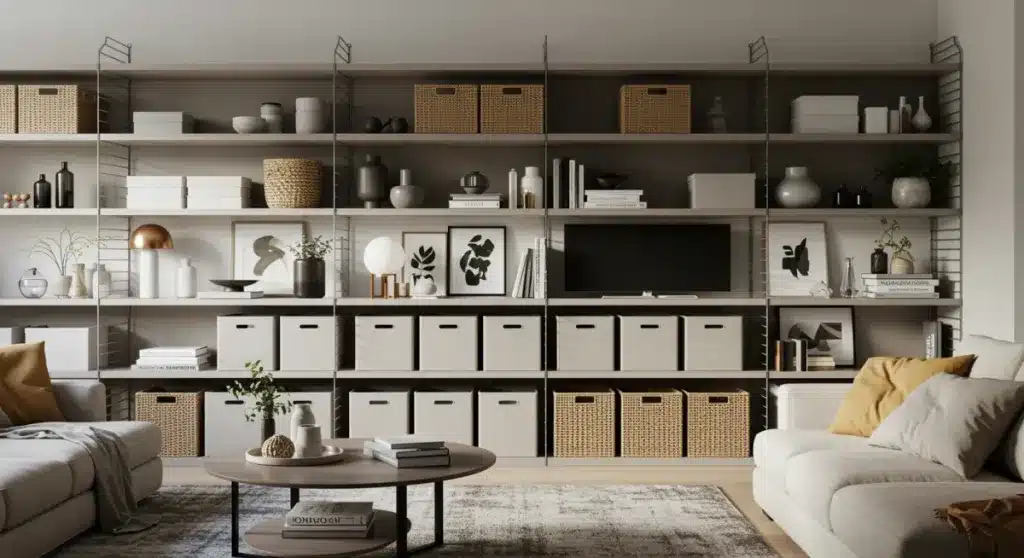
While budget solutions exist, certain products deliver exceptional value that justifies higher prices. Quality clear bins let you locate contents without opening each container. Uniform baskets maintain visual consistency even when contents vary.Drawer organizers from reputable brands adjust to fit your specific needs and last for decades.
Consider investing in modular closet systems that adapt as your wardrobe changes. These systems cost more upfront but eliminate the need for repeated reorganizations as your needs evolve. Premium labels and label makers create professional appearance that motivates maintaining your systems.
However, avoid the trap of buying organizing products before completing your declutter. You cannot determine what you need until you know what you are keeping. Purchase systems after day one when your inventory is complete.
Long-Term Success Strategies
Organization is not a one-time project but an ongoing process. Develop habits that support your systems rather than working against them. Question new purchases before bringing them home. Does this item serve a genuine purpose? Where will it live? What will I discard to make room?
Schedule quarterly reviews to assess your systems and make adjustments. Life changes constantly, and your organization should adapt accordingly. A new hobby might require garage space reorganization. A growing family needs expanding storage solutions. Stay responsive to these changes rather than letting systems become outdated.
Remember that the goal is not perfection but functionality. Some clutter is inevitable in active households. The difference between organized homes and chaotic ones lies not in having fewer possessions but in having systems that accommodate what you actually own.
| Key Point | Brief Description |
|---|---|
| Day 1: Declutter | Remove unused items through systematic sorting into keep, donate, sell, and discard categories |
| Day 2: Organize | Install strategic storage systems including shelves, hooks, dividers, and labeled containers |
| Day 3: Maintain | Fine-tune systems and establish daily habits to preserve organization long-term |
| Room-by-Room Approach | Apply tailored solutions to each space based on function and storage needs |
Frequently Asked Questions
While the core process completes in three focused days, the timeline varies based on your home size and current clutter level. A small apartment might take two full days, while a larger house with multiple problem areas could require four or five days. The decluttering phase typically takes the longest, especially if you have years of accumulated items.
Essential supplies include cardboard boxes or banker boxes for sorting, trash bags, markers for labeling, and storage containers. Basic tools may be needed for installing shelving or hooks. Avoid buying organizers until after your declutter phase when you know exactly what you need to store. This prevents purchasing mismatched or unnecessary products.
Professional organizers prove particularly valuable for complex spaces like garages, extensive closets, or homes with overwhelming clutter. They bring expertise, efficient systems, and accountability that accelerates progress. However, for straightforward organization needs, the three-day hack system works well independently. Consider your budget and the complexity of your situation when deciding.
Implementing the one-in, one-out rule prevents gradual accumulation. Schedule regular maintenance sessions—weekly 15-minute checks and quarterly deep reviews catch problems early. Returning items to designated spots immediately after use prevents scattered clutter. The key is building habits that support your systems rather than relying on willpower alone.
Absolutely. Many effective solutions cost nothing—repurposing shoeboxes as drawer dividers, using tension rods to create extra shelf space, or employing cardboard boxes for closet organization. Before purchasing expensive systems, exhaust budget options and free solutions. Save premium investments for high-use areas where quality makes the biggest difference.
Conclusion
Doubling your storage space in three days is entirely achievable with focused effort and systematic strategies. The transformation extends beyond physical space—organized homes reduce stress, improve daily routines, and create environments where you genuinely want to spend time. Start today with the declutter phase, install your systems on day two, and establish maintenance habits on day three. Within one weekend, you could have double the functional storage space you currently use, with systems designed to last for years rather than weeks. The investment of three days pays dividends in daily convenience and lasting home organization that transforms your entire living experience.
