
Ads
Ads
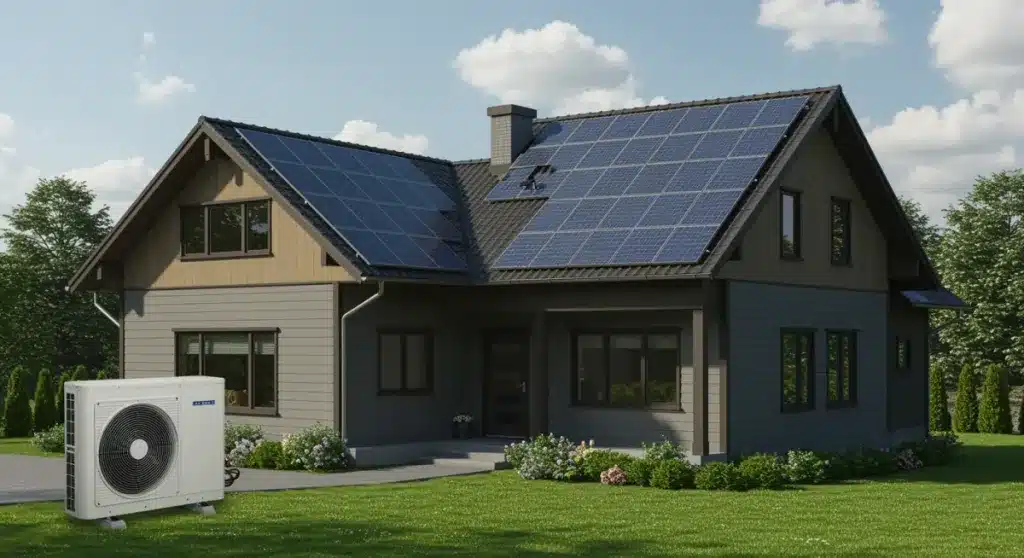
New federal tax credits under the Inflation Reduction Act allow homeowners to claim up to $3,200 annually for qualifying green energy improvements including solar systems, heat pumps, and insulation upgrades.
Ads
The landscape of home improvement financing has shifted dramatically in recent years. If you have been considering upgrading your home’s energy efficiency, now might be the perfect time to act. Are You Eligible? New Tax Credits for Green Energy Home Improvements – Save Up to $3,200 is more than just a compelling headline—it represents a genuine opportunity for American homeowners to reduce their carbon footprint while keeping more money in their pockets. These incentives, part of the Inflation Reduction Act passed in 2022, have transformed how we think about investing in our properties. Whether you are planning a major renovation or simply looking to replace an aging HVAC system, understanding these tax credits could save you thousands of dollars.
Understanding the New Green Energy Tax Credits
The federal government has made a concerted effort to accelerate the transition to clean energy in the residential sector. The Inflation Reduction Act introduced several significant tax credit programs designed to make energy-efficient home improvements more affordable for middle-class Americans. These credits represent the most substantial investment in residential energy efficiency in American history.
The Energy Efficient Home Improvement Credit, officially known as Section 25C, allows homeowners to claim a percentage of qualified expenses for specific types of improvements. Unlike previous iterations of residential energy tax credits, the current program offers higher credit percentages and more inclusive eligibility requirements. The credit applies to improvements made to existing homes, meaning you do not need to build new construction to take advantage of these benefits.
One of the most attractive features of this program is its annual structure. Homeowners can claim up to $3,200 per year in combined credits for various qualifying improvements. This annual limit provides flexibility, allowing you to spread out your upgrades over multiple years if needed. The credits are non-refundable, which means they can reduce your tax liability but cannot result in a refund if they exceed what you owe.
Key Provisions of the Tax Credit Program
The tax credit program covers multiple categories of home improvements, each with its own specific requirements and credit amounts. Understanding these categories helps you plan your upgrade strategy effectively.
- Building envelope components including insulation and air sealing receive a 30% credit up to $1,200 annually
- Central air conditioning systems qualify for 30% credits up to $600
- Heat pumps, heat pump water heaters, and biomass stoves receive 30% credits up to $2,000
- Solar electric systems and solar water heaters qualify for 30% of installed costs with no annual cap
- Energy-efficient windows and doors receive 30% credits up to $500 for windows and $250 for doors
These percentages apply to the total qualified expenses after any rebates or manufacturer discounts have been applied. It is important to keep all documentation of your improvements, including receipts, contracts, and manufacturer certifications, as you will need these when filing your tax return.
Eligibility Requirements for Homeowners
Determining whether you qualify for these tax credits requires understanding both the property requirements and the specific criteria for each improvement category. Most American homeowners will find themselves eligible for at least some of these benefits, but certain conditions apply.
The primary eligibility requirement is that you must own and use the property as your primary residence. Rental properties and vacation homes do not qualify for these specific credits, though some other energy programs may apply to investment properties. The home must be located in the United States, and you must have paid for the improvements yourself—improvements covered by insurance claims or government grants typically do not qualify.
Income limitations, which were a significant barrier in earlier energy credit programs, have been largely removed for the current iteration. Unlike some means-tested programs, these tax credits do not have strict income eligibility limits. However, the credits are non-refundable, which means their value is effectively capped by your annual tax liability. High-income homeowners may find that they cannot use the full credit if their tax bill is smaller than the credit amount.
Property and Documentation Requirements
Beyond ownership and residence requirements, certain documentation standards must be met to claim these credits successfully. The IRS requires that improvements meet specific efficiency standards, and you must be able to demonstrate compliance through manufacturer certifications and professional installations.
- The property must be a existing home, not new construction, for most improvement credits
- Improvements must meet or exceed established efficiency standards set by the IRS
- Labor costs for installation qualify for the credit in addition to equipment costs
- Professional certification of installation may be required for certain improvements
- All receipts and documentation must be retained for at least three years
The distinction between existing homes and new construction matters significantly. If you are building a new home, different programs and credit structures apply. Most homeowners with existing properties will find the current program offers substantial benefits, provided they complete improvements that meet the efficiency requirements.
Qualifying Improvements and Upgrades
Not all energy-related home improvements qualify for these tax credits. Understanding which specific upgrades meet the requirements helps you prioritize projects that will deliver both energy savings and tax benefits. The program is designed to encourage improvements that make the most significant impact on residential energy consumption.
Heat pumps have emerged as one of the most valuable qualifying improvements. These systems provide both heating and cooling capabilities while operating more efficiently than traditional HVAC systems. The credit allows for up to $2,000 annually for qualifying heat pump installations, making them potentially the single largest source of tax savings under the program. Heat pump water heaters offer additional savings opportunities.
Insulation and air sealing improvements represent another major category. These building envelope improvements can dramatically reduce energy loss in older homes that lack adequate insulation. The credit covers both materials and labor, providing a substantial incentive for comprehensive weatherization projects. Windows and exterior door replacements also qualify, though with lower annual limits.
Solar and Renewable Energy Systems
Solar electric systems, known as photovoltaic systems, qualify for the Residential Clean Energy Credit under Section 25D. Unlike the efficiency-focused credits, this program has no annual dollar limit for solar installations. The 30% credit applies to the total cost of the system, including panels, inverters, mounting equipment, and installation labor.
Solar water heating systems also qualify, though they must meet specific efficiency standards to be eligible. The distinction between solar electric and solar thermal systems is important, as each falls under slightly different requirements. Battery storage systems that are integrated with qualifying solar installations may also qualify under certain circumstances.
- Residential solar electric systems receive a 30% credit with no annual cap
- Solar water heaters must meet certification standards for efficiency
- Battery storage systems paired with solar may qualify for additional credits
- Installation costs are included in the credit calculation
- Systems must be placed in service during the tax year for which you are claiming
The lack of an annual cap on solar credits makes them particularly valuable for homeowners planning comprehensive solar installations. However, the credits are scheduled to decrease gradually over coming years, so acting sooner rather than later maximizes your benefit.
How to Claim Your Tax Credits
Claiming these tax credits requires proper documentation and attention to detail during tax filing. The process begins with ensuring all your improvements meet the qualification criteria and that you have retained all necessary documentation. While the actual claiming process is straightforward, preparation is essential.
When completing your federal tax return, you will use Form 5695, Residential Energy Credits, to calculate and claim your credits. This form is filed alongside your Form 1040 or 1040-SR. The form has separate sections for the Energy Efficient Home Improvement Credit and the Residential Clean Energy Credit, so you will need to understand which sections apply to your specific improvements.
The timing of your improvements matters for tax purposes. Improvements must be placed in service during the tax year for which you are claiming the credit. If you complete improvements in late December, you can claim the credit for that calendar year. If you complete improvements in early January, you must wait until the following tax year to claim the credit.
Documentation and Record-Keeping
Maintaining thorough records ensures that your claims will not be challenged during any potential IRS review. The documentation requirements are not overly burdensome, but they are essential for compliance.
- Keep all receipts showing total costs paid for improvements
- Retain manufacturer certifications that equipment meets efficiency standards
- Save contracts and invoices from licensed contractors
- Document the date when improvements were placed in service
- Keep copies of your filed tax returns and supporting forms
Working with qualified contractors who understand the documentation requirements can significantly simplify the process. Many contractors familiar with these programs can provide guidance on ensuring your improvements will qualify and help you gather the necessary paperwork.
Maximum Savings and Financial Benefits
Understanding the full potential of these tax credits helps you plan comprehensive home improvement strategies. The annual limit of $3,200 applies to the combined total of most efficiency improvements, but certain categories like solar have separate treatment with no cap.
For a homeowner pursuing multiple improvements in a single year, strategic planning can help maximize total credits. Combining heat pump installation, insulation upgrades, and window replacements in one year could potentially generate credits approaching the annual limit. However, some improvements have their own specific limits within the overall structure, so understanding these interactions requires careful attention.
The actual dollar savings depend on your tax situation and the specific improvements you undertake. A homeowner in the 22% tax bracket who claims the maximum $3,200 credit effectively saves $704 in federal taxes. Higher-income homeowners in higher tax brackets save more proportionally, while the credits provide less benefit to those in lower brackets.
Long-Term Financial Impact
Beyond the immediate tax credits, energy-efficient improvements typically reduce ongoing utility costs. These ongoing savings compound over time, making energy-efficient upgrades increasingly attractive from a pure financial perspective. The combination of immediate tax savings and reduced operating costs creates a compelling return on investment for many homeowners.
Consider the example of replacing an older heat pump with a modern high-efficiency system. The installation might cost $3,000 after any manufacturer rebates. The 30% tax credit would save you $900, while the improved efficiency might reduce your annual heating and cooling costs by $200 or more. Over a ten-year period, the energy savings alone would exceed the upfront cost, and that is before considering the tax credit benefit.
- Tax credits provide immediate savings when you file your return
- Energy-efficient systems reduce monthly utility bills permanently
- Many utility companies offer additional rebates for efficient upgrades
- Energy-efficient homes often command higher resale values
- Combined federal and local incentives can significantly reduce net costs
Tips for Maximizing Your Credits
Strategic planning transforms these tax credits from a helpful bonus into a comprehensive savings strategy. Understanding the interaction between different improvement categories and timing your projects thoughtfully maximizes the total benefits available to you.
Start by conducting an energy audit of your home to identify the most impactful improvements. Many utility companies offer free or low-cost energy assessments that can pinpoint where your home loses the most energy. These audits often reveal opportunities you might otherwise miss, helping you prioritize improvements that deliver both comfort improvements and tax benefits.
Consider bundling improvements strategically. If you are planning multiple upgrades, completing them in the same tax year can help you maximize credits, though you must stay within annual limits. However, spreading improvements across multiple years can also be advantageous if it allows you to claim the maximum credit annually rather than hitting a limit in a single year.
Working with Professionals
Engaging qualified professionals ensures that your improvements meet all efficiency requirements and that documentation is properly maintained throughout the process. The extra cost of professional installation often pays for itself through ensured compliance and proper credit claiming.
Look for contractors who have experience with energy efficiency programs and can provide references for similar projects. Ask specifically about their familiarity with tax credit requirements and whether they can provide any documentation assistance. Many contractors have developed streamlined processes for helping homeowners claim these credits.
- Verify contractor credentials and experience with energy programs
- Request detailed quotes that break down qualifying and non-qualifying costs
- Ask about manufacturer certifications that confirm efficiency standards
- Discuss timing strategies to optimize your tax credit benefits
- Confirm that all necessary warranty and certification documentation will be provided
Common Mistakes to Avoid
Even well-intentioned homeowners can make errors that reduce or eliminate their tax credit benefits. Understanding these pitfalls helps you avoid costly mistakes and ensures you receive the full benefit of the programs for which you qualify.
One of the most common mistakes is failing to verify that specific products meet the required efficiency standards before purchase. Not all energy-efficient products qualify for these credits—only those that meet specific criteria established by the IRS. Manufacturers typically certify their products meet these standards, but it is your responsibility as the homeowner to verify eligibility.
Another frequent error involves improper timing of improvements relative to tax years. Some homeowners assume they can claim credits for improvements ordered or contracted but not yet completed. Only improvements that have been placed in service—that is, installed and ready for use—qualify for the credit in a given tax year.
Documentation Errors
Inadequate record-keeping creates problems when it comes time to file your return or if your return is selected for review. The IRS may request documentation to verify your claims, and failure to provide adequate proof can result in denied credits and potential penalties.
- Do not claim credits for improvements to rental properties or second homes
- Avoid assuming all energy-efficient products qualify—verify first
- Do not claim credits for improvements you did not pay for directly
- Avoid claiming credits in the wrong tax year
- Do not forget to factor in manufacturer rebates when calculating credit amounts
Taking time to understand the requirements thoroughly before beginning any improvement project pays dividends. The relatively modest effort required to ensure compliance transforms these tax credits from a potential headache into a straightforward savings opportunity.
| Improvement Category | Credit Details |
|---|---|
| Heat Pumps | 30% credit up to $2,000 annually for qualified heat pump installations |
| Solar Panels | 30% credit with no annual cap for residential solar electric systems |
| Insulation & Air Sealing | 30% credit up to $1,200 annually for building envelope improvements |
| Windows & Doors | 30% credit up to $500 for windows and $250 for exterior doors |
Frequently Asked Questions
No, the Energy Efficient Home Improvement Credit applies only to your primary residence. Rental properties and vacation homes do not qualify for these specific credits under current law. However, some commercial rental properties may qualify for different energy incentives through other programs.
These tax credits are non-refundable, meaning they can reduce your tax liability to zero but cannot result in a refund payment. Any excess credit does not carry forward to future years or get refunded to you. It is important to plan your improvements accordingly to maximize the benefit within your actual tax liability.
While some improvements like heat pump installations typically require professional installation to meet efficiency standards, the tax credit does not explicitly require professional labor. However, many efficiency certifications require proper installation, and doing the work yourself may not meet qualification requirements. Check specific product standards before attempting self-installation.
Yes, in most cases you can combine federal tax credits with state and local energy programs, utility rebates, and manufacturer discounts. However, you cannot claim the credit on costs that were covered by other government grants or rebates. Many homeowners maximize savings by layering multiple incentive programs for comprehensive energy upgrades.
You should claim the credit in the tax year when the improvements were placed in service, meaning they were installed and ready for use. If you miss claiming in the correct year, you can amend your return within three years to claim the credit, though this extends the time before you receive the benefit. Keep all documentation for at least three years after filing.
Conclusion
The opportunity to save up to $3,200 through green energy tax credits represents a significant financial incentive for American homeowners. These programs, born from the Inflation Reduction Act, make now an ideal time to invest in energy-efficient improvements that benefit both your wallet and the environment. By understanding the eligibility requirements, qualifying improvements, and proper claiming procedures, you can navigate the process confidently and maximize your savings. Whether you start with a single heat pump installation or pursue a comprehensive home energy upgrade, these tax credits can substantially offset your investment while contributing to a more sustainable future for your home and our planet.
