
Ads
Ads
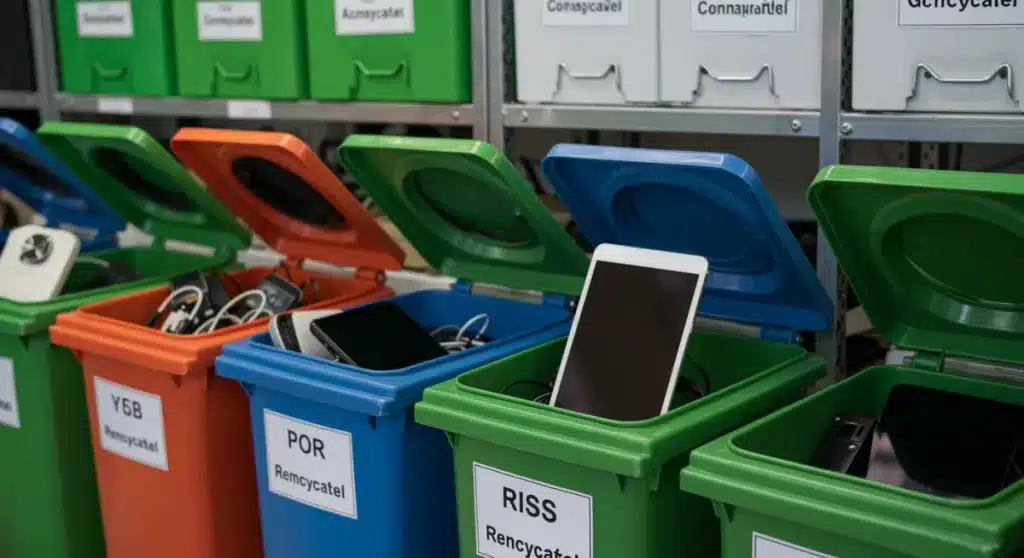
Gadget recycling programs in 2026 provide accessible pathways for disposing of old electronics responsibly, preventing hazardous materials from polluting landfills while recovering valuable resources for reuse.
Ads
Your smartphone升级到新机型后,旧设备该如何处理?The average American household now owns between 20 and 30 electronic devices, and the pace at which we upgrade has never been faster. Gadget Recycling Programs have evolved dramatically to meet this challenge, offering more convenient and impactful ways than ever to give your old devices a second life. Whether you are looking to clear out a drawer full of outdated gadgets or simply want to make sure your next upgrade does not harm the environment, understanding how these programs work in 2026 could make a significant difference.
Why Gadget Recycling Matters More Than Ever
The United States generates approximately 6.9 million tons of e-waste annually, making it one of the largest producers of electronic waste in the world. Only about 12 to 15 percent of these materials get recycled properly, meaning the vast majority ends up in landfills where toxic substances like lead, mercury, and cadmium can seep into soil and groundwater. The environmental stakes have never been higher, and the choices we make about our old devices matter more than ever.
Beyond the environmental angle, there is an economic reality that cannot be ignored. Rare earth minerals used in smartphones, tablets, and laptops are finite resources, and recycling them reduces the need for environmentally damaging mining operations. When you participate in a gadget recycling program, you are essentially closing a loop that benefits both the planet and the economy. Many of the materials recovered from recycled devices can be used to manufacture new products, creating a sustainable cycle that reduces overall consumption.
Consumer awareness has grown substantially, but many people still do not realize how easy it has become to participate. The infrastructure for recycling electronics has expanded significantly, with programs now available through major retailers, manufacturers, municipal facilities, and even mail-in services. This accessibility means that almost anyone can find a convenient option that fits their lifestyle and location.
Environmental Impact Breakdown
- One million recycled smartphones can recover approximately 35,000 pounds of copper, 772 pounds of silver, and 75 pounds of gold
- Proper e-waste recycling prevents approximately 2,000 pounds of lead from entering landfills each year per capita
- Recycling one ton of circuit boards can yield 40 to 800 times more gold than mining one ton of raw ore
- Electronic waste accounts for 70 percent of the toxic heavy metals found in American landfills
These numbers illustrate why participating in recycling programs is not merely a nice-to-do gesture but a meaningful action with quantifiable benefits. The more people who participate, the larger the collective impact becomes, creating a ripple effect that extends far beyond individual households.
How Modern Recycling Programs Work
The process behind gadget recycling has become remarkably streamlined in 2026. Most programs follow a similar workflow that begins when you drop off or ship your old device and ends with either proper disposal or refurbishment. Understanding this process can help you choose the right program and feel confident that your gadgets are being handled responsibly.
When you bring your device to a participating location, whether it is a big-box retailer, a municipal collection site, or a manufacturer take-back program, the device enters a sorting facility where it is assessed for condition. Devices that are still functional typically get refurbished and resold, either through the original manufacturer or third-party vendors. Those that are damaged beyond repair get dismantled, with each component separated for material recovery.
The dismantling process involves specialized equipment that safely extracts precious metals, plastics, glass, and other materials. These materials then go to downstream processors who transform them into raw commodities that manufacturers can use again. This closed-loop system ensures that nothing goes to waste, and every component has the potential for a new purpose.
Steps in the Recycling Process
- Collection and transportation to sorting facilities
- Initial assessment determining refurbishment or recycling path
- Manual dismantling of devices to separate components
- Mechanical processing to break down materials into raw forms
- Chemical treatment to recover precious metals and other resources
- Distribution of recovered materials to manufacturers for reuse
Each step is carefully managed to minimize environmental impact and maximize resource recovery. Many facilities now operate under strict certifications like e-Stewards or R2, which ensure responsible handling of hazardous materials and proper data destruction. When choosing a program, looking for these certifications can help you identify services that meet high environmental and data security standards.
Major Recycling Programs Available in the US
Americans have more options than ever when it comes to recycling their gadgets. Major retailers, electronics manufacturers, and independent organizations all offer convenient take-back programs, each with its own strengths and limitations. Knowing what is available can help you find the most convenient and rewarding option for your situation.
Best Buy operates one of the most extensive in-store recycling programs in the country, accepting most electronics regardless of where they were purchased. The company has dedicated drop-off bins in nearly every store location, and they partner with certified recyclers to ensure proper handling. Their program covers everything from smartphones and tablets to larger appliances and televisions, making it a one-stop solution for most household electronics.
Apple’s trade-in program allows customers to receive credit toward new purchases when they bring in eligible devices. Even devices that do not qualify for credit are accepted for free recycling. This program has proven incredibly popular, with millions of devices processed annually. The company has committed to using 100 percent recycled materials in its products, making their program particularly attractive for environmentally conscious consumers.
Samsung offers a similar program with drop-off locations at authorized retailers and service centers. Their program emphasizes responsible recycling and provides detailed tracking so users can see exactly what happens to their devices. Other manufacturers including Dell, HP, and Lenovo also maintain robust take-back programs, often with the added benefit of data erasure services that protect your personal information.
Comparing Top Programs
- Best Buy: In-store drop-off, accepts most brands, free for most items
- Apple: Trade-in credit available, free recycling, seamless online tracking
- Samsung: Multiple drop-off locations, data destruction guarantee
- Amazon: Mail-in recycling for select devices, partner network approach
- Local municipal programs: Often free, may have limited hours and locations
Municipal e-waste collection events have also become more common, with many cities hosting periodic events where residents can drop off electronics free of charge. These events are often sponsored by local governments in partnership with certified recyclers, providing a community-oriented way to dispose of larger items that might be difficult to transport to retail locations.
What Gadgets Can Be Recycled
One of the most common questions people have is simply what can be recycled. The short answer is that almost any electronic device can be processed, though the process and end result may vary depending on the item. Understanding what is accepted and how different devices are handled can help you declutter more effectively.
Smartphones and tablets are among the most commonly recycled devices, and they are also the most valuable from a recycling standpoint due to their concentration of precious metals. These devices are typically either refurbished for resale or dismantled for material recovery, depending on their condition. Even broken devices have significant value in the recycling stream.
Laptops and computers follow a similar path, though they often contain larger quantities of copper and aluminum in addition to the precious metals found in smaller devices. These items are frequently refurbished and donated to schools, nonprofits, or individuals in need, extending their useful life significantly. When they cannot be refurbished, they are processed similarly to smartphones.
Accessories like headphones, chargers, cables, and smartwatches are also accepted by most programs, though they may need to be separated from larger devices. These items often contain plastics and metals that can be recovered, and proper disposal prevents them from adding to landfill waste. Some programs even offer specific collection bins for small accessories.
Complete List of Recyclable Items
- Smartphones, tablets, and e-readers
- Laptops, desktops, and monitors
- Headphones, earbuds, and speakers
- Smartwatches and fitness trackers
- Chargers, cables, and power banks
- Gaming consoles and controllers
- Digital cameras and camcorders
- Printers and scanners
Even items like remote controls, kitchen appliances with electronic components, and children’s electronic toys can typically be recycled through the same programs. The key is to ensure that batteries are removed where possible and that items are relatively clean and dry before dropping them off.
Benefits of Participating in Recycling Programs
The advantages of recycling your gadgets extend well beyond simply clearing out your home. While the convenience factor is certainly appealing, the broader benefits affect communities, economies, and the environment in ways that make participation genuinely worthwhile. Understanding these benefits can motivate more consistent participation.
Data security is often a primary concern for people disposing of old devices, and reputable recycling programs address this directly. Most programs that handle devices capable of storing data follow strict data destruction protocols, using specialized software or physical destruction methods to ensure that personal information cannot be recovered. This provides peace of mind that simply throwing away a device or selling it secondhand cannot match.
Economic benefits also emerge from widespread recycling participation. The electronics recycling industry now employs thousands of workers across the country, from collection drivers to facility operators to downstream processors. By participating, you are supporting this growing green economy and the jobs it creates. Additionally, many programs offer incentives like trade-in credits that put money back in your pocket.
Community impact should not be underestimated either. Many refurbished devices are donated to schools, libraries, and nonprofit organizations that serve communities in need. This digital divide reduction means your old device could help a student complete homework assignments or enable a small business to operate more efficiently. The ripple effects of recycling extend into education, workforce development, and social equity.
Key Benefits Summary
- Protects personal data through certified destruction methods
- Prevents toxic materials from contaminating environment
- Recovers valuable resources for manufacturing new products
- Supports green jobs and local economies
- Provides potential trade-in credit toward new purchases
- Enables device donation to communities in need
These benefits compound when more people participate, creating a virtuous cycle that strengthens environmental sustainability, economic opportunity, and social responsibility simultaneously. Every device recycled contributes to this larger positive impact.
Tips for Responsible Gadget Recycling
While the process of recycling has become easier, there are still steps you can take to ensure your experience is as responsible and effective as possible. These practical tips can help you maximize the benefit of your participation and avoid common pitfalls that might reduce the value of your recycled devices.
First, back up all important data before handing over any device. This includes photos, contacts, documents, and any other information stored on the device. Most recycling programs will handle data destruction, but the responsibility for preserving irreplaceable memories ultimately rests with you. Take the time to transfer everything to a secure location or cloud service before your device leaves your possession.
Remove any personalizations and accounts associated with the device. This means signing out of Apple ID, Google accounts, Amazon accounts, and any other services linked to the device. For smartphones and tablets, performing a factory reset after backing up your data adds an extra layer of security. Some programs will not accept devices with activation locks, so this step is essential.
Consider the timing of your recycling. If you are planning to upgrade anyway, waiting until you have your new device can ensure you have a smooth transition and do not lose access to functionality during the gap. Many programs offer immediate trade-in credit that can be applied to your new purchase, making the timing of recycling particularly convenient around upgrade cycles.
Best Practices Checklist
- Back up all data before recycling any device
- Remove and sign out of all accounts and services
- Perform factory reset on smartphones and tablets
- Remove device cases and screen protectors
- Charge devices before drop-off if possible
- Bring ID if required by the program
- Ask about data destruction policies before participating
Packaging matters too, especially if you are using a mail-in program. Use the provided packaging materials and ensure devices are protected during transit. Damaged devices from improper packaging may not qualify for trade-in credit, so taking a few extra minutes to pack properly can pay off financially.
The Future of Gadget Recycling
Looking ahead, gadget recycling is poised to become even more integrated into our daily lives. Policy changes, technological advances, and evolving consumer expectations are all shaping a future where responsible electronics disposal becomes the norm rather than the exception. Understanding these trends can help you stay ahead of the curve.
Legislation at both state and federal levels is increasingly requiring manufacturers to fund and operate recycling programs. Several states already have e-waste recycling laws on the books, and more comprehensive federal legislation has been proposed. These regulations ensure that recycling infrastructure continues to expand and that the burden of proper disposal does not fall entirely on consumers.
Technology is also making recycling more efficient. New chemical processes can recover materials from devices that previously could not be economically recycled, and robotics are automating the sorting and dismantling process. These advances mean that more of your device can be turned into new products, increasing the overall sustainability of the electronics industry.
Consumer expectations are shifting as well, with more people expecting convenient recycling options and transparency about what happens to their devices. Companies that fail to provide satisfactory recycling programs may find themselves at a competitive disadvantage as environmentally conscious consumers increasingly factor sustainability into purchasing decisions.
Emerging Trends to Watch
- Expanded manufacturer take-back requirements under new regulations
- AI-powered sorting systems improving recycling efficiency
- Blockchain-based tracking for transparency in recycling chains
- Increased focus on right-to-repair legislation affecting recycling
- More community-based collection programs in rural areas
- Carbon credit programs rewarding recycling participation
The future looks bright for gadget recycling, with innovation and regulation working together to create a more sustainable electronics lifecycle. By participating now, you are helping shape the habits and expectations that will define the industry for years to come.
| Key Point | Brief Description |
|---|---|
| Environmental Impact | Recycling prevents toxic materials like lead and cadmium from polluting landfills and recovers valuable rare earth minerals. |
| Program Options | Major retailers, manufacturers, and municipal programs offer convenient drop-off and mail-in recycling services across the US. |
| Accepted Devices | Almost all electronic devices including smartphones, tablets, laptops, gaming consoles, and accessories can be recycled. |
| Future Outlook | New regulations, advanced recycling technology, and consumer demand will make gadget recycling even more accessible and impactful. |
Frequently Asked Questions
Before recycling any device, back up all important data including photos, contacts, and documents. Then sign out of all accounts, remove SIM cards if applicable, and perform a factory reset. Remove any cases or accessories and ensure the device is reasonably clean. Some programs require proof of identity, so check ahead if needed.
Most major recycling programs, including those run by Best Buy, Apple, and Samsung, offer free recycling for most devices. Some programs may charge a small fee for very large items like televisions, though many municipalities offer free periodic collection events. Trade-in programs provide credit that can offset costs or fund new purchases.
Devices in good condition are typically refurbished and resold, with proceeds often supporting charitable causes. Damaged devices get dismantled, with materials like copper, gold, silver, and plastics recovered and sent to manufacturers for use in new products. Certified programs follow strict environmental and data security protocols.
Most retailer-based programs accept electronics from any brand, regardless of where they were originally purchased. Manufacturer programs obviously accept their own brands but may also accept competitors’ devices. Best Buy and many municipal programs have the broadest acceptance policies, making them good choices for mixed collections.
Recycling prevents toxic substances like lead, mercury, and cadmium from entering landfills and groundwater. It also reduces the need for new mining operations by recovering valuable rare earth minerals from existing devices. The process supports thousands of green jobs and enables device donation to communities in need.
Conclusion
Gadget recycling programs have matured into accessible, impactful systems that make responsible disposal easier than ever. By understanding your options and taking simple steps to prepare your devices, you can participate in a process that protects the environment, supports the economy, and helps communities in need. The convenience of modern programs means there is really no reason to let old gadgets sit in drawers or end up in landfills. As we move further into 2026, the choices we make about our electronics will continue to shape a more sustainable future for everyone.
