
Ads
Ads
Gadget insurance provides coverage for electronic devices against accidental damage, theft, and mechanical failures, though policies differ substantially in what they include, exclude, and cost, requiring careful evaluation before commitment.
Ads
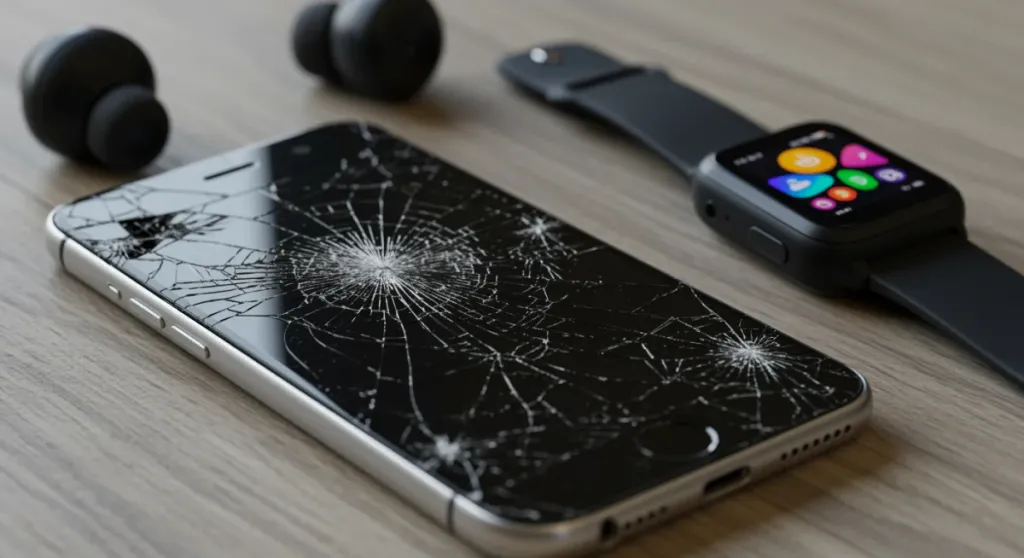
You drop your brand-new smartphone, and the screen shatters into a spiderweb of cracks. Your laptop succumbs to a coffee spill during a busy morning. These scenarios play out daily across the United States, leaving millions of device owners facing costly repairs or replacements. Gadget insurance promises peace of mind, but does it truly protect your tech investment, or is it just another expense that drains your wallet without delivering real value? This investigation unpacks everything you need to make an informed decision about insuring your devices.
Understanding Gadget Insurance and How It Works
Gadget insurance, sometimes called device protection or electronics insurance, is a specialized coverage designed to repair or replace personal electronics that suffer accidental damage, theft, or mechanical breakdowns. Unlike traditional homeowners insurance, which may offer limited protection for portable devices, gadget insurance focuses specifically on the unique risks facing our increasingly connected lives.
The mechanics of these policies are relatively straightforward. You pay a monthly or annual premium, and in exchange, the insurer agrees to cover repair costs or provide a replacement device if your gadget suffers a covered event. Most policies kick in after you pay a deductible, which typically ranges from $50 to $200 depending on the device value and the specific plan you choose.
How Claims Typically Process
When you need to use your coverage, the claims process usually follows a predictable pattern. First, you report the incident through the insurer’s website or mobile app. Then, you provide documentation such as photos of the damage or a police report in cases of theft. The insurer reviews your claim, approves it, and either sends a repair authorization or ships a replacement device. The entire process typically takes 7 to 14 business days, though some premium services offer faster turnaround times.
- Monthly premiums generally range from $5 to $30 per device
- Annual policies often provide savings of 10-20% compared to monthly billing
- Deductibles vary by device value and policy tier
- Most policies cover accidental damage, theft, and mechanical failures
The key insight here is that gadget insurance operates on a risk-pooling model. Insurers calculate premiums based on aggregate claims data for specific device types. Smartphones, being the most frequently dropped and damaged devices, typically carry higher premiums than tablets or smartwatches. Understanding this pricing structure helps you evaluate whether the math works in your favor.
What These Policies Actually Cover
Walking through the coverage details reveals the true value proposition of gadget insurance. Most comprehensive policies protect against several categories of loss, though the specifics vary significantly between providers and plan levels.
Accidental damage stands as the most commonly claimed coverage type. This includes screen cracks, water damage from submersion or spills, and physical damage from drops or impacts. The definition of “accidental” typically excludes deliberate damage, damage during illegal activities, or normal wear and tear that accumulates over time.
Protection Against Theft
Theft coverage has become increasingly important as devices contain so much personal data and functionality. Most policies cover theft from your person, your vehicle, or your residence. However, proving theft often requires a police report, which adds a layer of complexity to the claims process. Some insurers have tightened their theft coverage following rising rates of “staged thefts” where policyholders attempt to defraud insurers.
- Screen damage and cracks from drops or impacts
- Water and liquid damage submersion
- Theft from car, home, or personal possession
- Mechanical and electrical failures after manufacturer warranty expires
- Loss during natural disasters
Mechanical and electrical breakdowns that occur after the manufacturer’s warranty expires represent another valuable coverage element. Since most manufacturer warranties last only one year, extended protection through gadget insurance can bridge the gap for devices that develop issues in years two through five of ownership.
Critical Exclusions and Limitations
Before signing up for any gadget insurance policy, you must understand what is explicitly excluded from coverage. These exclusions often surprise policyholders who assumed their devices were fully protected.
Intentional damage is never covered, which seems obvious but becomes relevant in disputes over whether damage was accidental or deliberate. Similarly, cosmetic damage that does not affect functionality, such as scratches on a device back, typically falls outside coverage. Manufacturers’ defects remain covered under warranty, not insurance, creating a distinction that matters for certain types of claims.
Geographic and Situational Restrictions
Many policies contain geographic limitations that catch travelers off guard. Some insurers only cover devices within the United States, leaving international travelers vulnerable. Others exclude certain high-risk situations, such as leaving devices unattended in plain sight in a vehicle.
- Intentional or deliberate damage
- Cosmetic damage without functional impairment
- Manufacturer defects covered under warranty
- Devices left unattended in public spaces
- Loss or damage during illegal activities
- Natural wear and tear
- Software issues and data loss
Data recovery and software issues present another significant gap. Most gadget insurance policies cover hardware repair or replacement but do not protect the data stored on your device. If your phone is stolen or destroyed, recovering your photos, contacts, and files remains your responsibility, not your insurer’s concern.
Cost Analysis: Is the Investment Justified?
Evaluating whether gadget insurance makes financial sense requires comparing premium costs against the actual risk and cost of device replacement. This calculation varies significantly based on your device choices, lifestyle, and risk tolerance.
For a flagship smartphone costing $1,000 or more, monthly insurance premiums of $10 to $15 translate to $120 to $180 annually. Over a two-year device cycle, you might pay $240 to $360 in premiums. Against a deductible of $100 to $200 for a replacement, the breakeven point depends on whether you expect to file one or more claims.
Comparing Insurance Costs to Self-Insurance
Many financial advisors recommend self-insuring for device damage by setting aside the equivalent premium amount in a savings account. For a $10 monthly premium, that means saving $120 annually. Over five years, you would accumulate $600, enough to cover multiple device replacements without ongoing costs or coverage limitations.
- Premium costs typically 1-2% of device value annually
- Deductibles often 10-20% of device replacement cost
- Self-insurance requires discipline but offers flexibility
- Credit cards sometimes offer built-in device protection
- Home insurance may cover devices with rider additions
Credit card protections deserve special attention. Many premium credit cards include secondary coverage for devices purchased with the card, potentially duplicating gadget insurance coverage you might already carry. Checking your card benefits before purchasing additional insurance can prevent paying for coverage you already have.
Top Gadget Insurance Providers in the US Market
The gadget insurance landscape includes several major providers, each with distinct coverage models, pricing structures, and reputation factors. Understanding the competitive environment helps you identify which provider best matches your needs.
Asurion stands as one of the largest players, offering device protection through partnerships with major retailers and wireless carriers. Their policies are widely available but often come with higher premiums due to their extensive distribution network. Their claim satisfaction scores have been mixed, with some customers reporting smooth experiences while others cite delays and disputes.
Specialty Providers Worth Considering
Several newer entrants have disrupted the traditional market with more flexible, app-based experiences. These providers often offer month-to-month coverage without long-term contracts, appealing to consumers who prefer flexibility as device cycles evolve.
- Asurion: Largest provider, widespread retail partnerships
- AppleCare+: Manufacturer coverage, seamless device ecosystem
- Samsung Care+: Similar manufacturer offering for Samsung devices
- Squaretrade: Independent provider with strong online presence
- Upsie: Direct-to-consumer model with transparent pricing
- Wireless carriers: Verizon, AT&T, T-Mobile all offer protection plans
Manufacturer-provided coverage like AppleCare+ and Samsung Care+ often represents the best value for users within those ecosystems. These policies are specifically designed for the devices they cover, typically include accidental damage protection, and integrate with the manufacturer’s service network for repairs or replacements.
Filing Claims: What Actually Happens
The true test of any insurance product comes when you need to use it. Understanding the claims process and potential pitfalls helps set realistic expectations before you need to file your first claim.
Documentation serves as the foundation of any successful claim. Taking photos of your devices upon purchase, keeping receipts, and documenting serial numbers creates a paper trail that supports your claim if damage or theft occurs. When incidents happen, photographing the damage immediately and obtaining police reports for theft strengthens your position considerably.
Common Claim Denials and How to Avoid Them
Several common issues cause claim denials that could have been prevented with better documentation or understanding of policy terms. Late reporting tops the list, as most policies require notification within a specific timeframe, often 30 to 60 days from the incident.
- Report incidents within policy timeframes (typically 30-60 days)
- Keep original purchase receipts and serial number records
- Obtain police reports for theft within 24 hours
- Document damage with timestamped photographs
- Understand your deductible before filing claims
- Review coverage limits and exclusions before incidents occur
Disputes over whether damage was truly accidental versus intentional represent another common denial reason. Insurers may require independent assessments or additional documentation to verify the circumstances of damage. Being prepared to provide thorough documentation increases your chances of approval.
Making the Final Decision: Is Gadget Insurance Right for You?
After examining the coverage details, costs, limitations, and providers, the ultimate question remains whether gadget insurance makes sense for your specific situation. The answer depends on several personal factors that only you can evaluate.
High-value device owners with flagship smartphones, premium laptops, or multiple expensive gadgets likely benefit more from coverage than those with budget devices. The math becomes more favorable when replacement costs exceed several hundred dollars, making the premium investment worthwhile against the potential loss.
Questions to Ask Before Purchasing
Before committing to any policy, ask yourself several key questions. Do you frequently damage or lose devices? Would a $1,000 replacement create financial hardship? Do you have alternative coverage through credit cards or existing insurance? Is your device within the manufacturer’s warranty period?
- Do you have a history of damaging electronic devices?
- Can you afford to replace your device without insurance?
- What coverage do you already have through credit cards or home insurance?
- How long do you typically keep devices before upgrading?
- Does the policy cover your specific device and usage situations?
For many users, a hybrid approach offers the best balance. Carrying basic manufacturer warranty coverage, using credit card purchase protections, and self-insuring for the difference provides flexibility without ongoing premium obligations. However, for those with demonstrated patterns of device damage or high-value devices that would cause financial strain, comprehensive gadget insurance delivers genuine peace of mind worth the investment.
| Key Point | Brief Description |
|---|---|
| Coverage Types | Most policies cover accidental damage, theft, water damage, and mechanical failures after manufacturer warranty expires. |
| Typical Costs | Monthly premiums range from $5 to $30 per device, with deductibles between $50 and $200 per claim. |
| Common Exclusions | Intentional damage, cosmetic scratches, manufacturer defects, and devices left unattended in public areas. |
| Best Value Options | Manufacturer coverage like AppleCare+ and Samsung Care+ often provides better integration and pricing for ecosystem users. |
Frequently Asked Questions About Gadget Insurance
Most standard gadget insurance policies do not cover misplacement or loss of devices. Coverage typically requires the device to be stolen or damaged through a specific incident. Some premium policies offer optional loss coverage, but it usually comes with higher premiums and stricter documentation requirements.
Yes, many providers offer multi-device policies or family plans that cover multiple gadgets under a single premium. These bundled policies often provide savings of 15-25% compared to insuring each device separately. However, each device typically maintains its own deductible, so the actual savings depend on your specific claim patterns.
When you file a claim, the insurer reviews your documentation and determines whether the damage qualifies for coverage. If approved, you pay your deductible and either receive a repair authorization or a replacement device. The process typically takes 7-14 business days, though some insurers offer expedited shipping for an additional fee.
For devices under $300, gadget insurance often does not make financial sense. The premium costs approach or exceed the cost of replacement, making self-insurance the better choice. However, if budget device damage would cause significant financial hardship, the psychological peace of mind may justify the cost despite the unfavorable math.
Standard homeowners or renters insurance provides limited coverage for personal electronics, typically with low sublimits ($1,000-$2,500) and high deductibles. Adding a rider or floater to your policy can increase coverage but often costs more than dedicated gadget insurance while offering less specialized protection.
Conclusion
Gadget insurance serves a genuine need for many device owners, offering financial protection against the increasingly expensive reality of repairing or replacing modern electronics. The key to making a smart decision lies in understanding exactly what your policy covers, what it excludes, and how the costs compare to self-insurance. For high-value devices and those with demonstrated patterns of damage, comprehensive gadget insurance delivers genuine value. For budget devices or those with existing coverage, carefully evaluating whether additional protection makes sense prevents unnecessary spending. Your devices represent significant investments, and protecting them thoughtfully requires matching your coverage choice to your specific situation, risk tolerance, and financial priorities.
