
Ads
Ads
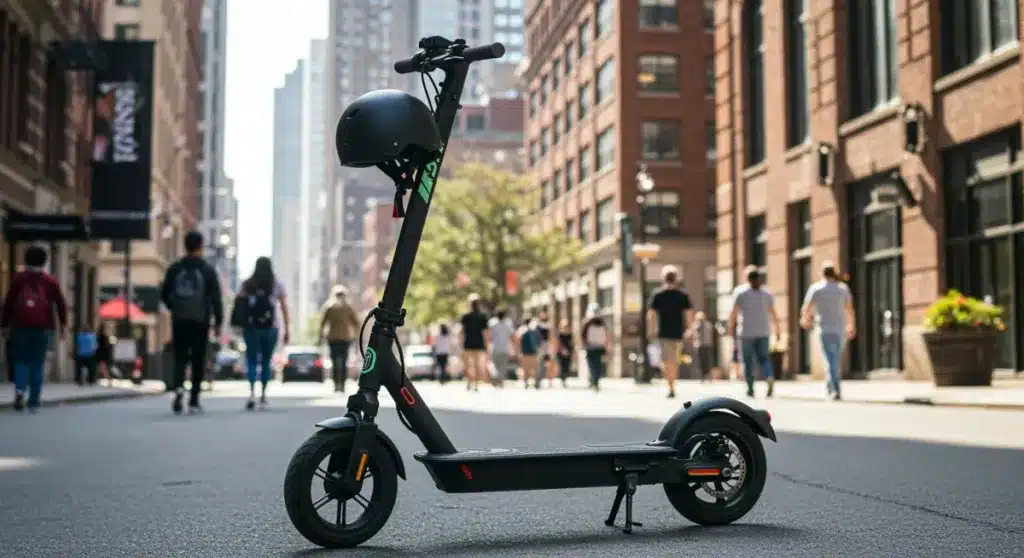
Electric scooters have transformed urban transportation across the United States, offering an eco-friendly alternative to cars. However, riders must understand local regulations and safety practices to prevent accidents and ensure compliance with city laws.
Ads
Electric scooters have taken American cities by storm, transforming how millions of people commute daily. From the busy streets of New York to the sunny boulevards of Los Angeles, these compact vehicles have become a fixture of modern urban life. But with this rapid adoption comes a pressing need for riders to understand both the safety practices that protect them and the regulations that govern their use. Whether you are a first-time rider or a seasoned commuter, knowing how to navigate these requirements can make the difference between a smooth ride and a dangerous situation. This comprehensive guide explores everything you need to know about Electric Scooter Safety and the regulatory landscape across the United States.
The Electric Scooter Revolution in America
The electric scooter phenomenon in the United States traces its roots to the late 2010s when dockless sharing companies first launched their fleets in select cities. What started as a pilot program in Santa Monica in 2017 quickly expanded to dozens of metropolitan areas, sparking both excitement and controversy. Today, millions of Americans use electric scooters for their daily commutes, whether to catch a train, avoid traffic, or simply enjoy the freedom of zipping through city streets.
This explosive growth has not been without challenges. Local governments scramble to create appropriate regulations, while traditional cyclists and pedestrians often express frustration with reckless riders. The industry continues to evolve, with manufacturers improving battery life, motor power, and durability. Understanding this context helps riders appreciate both the opportunities and responsibilities that come with owning an electric scooter.
Market Growth and Adoption Trends
The electric scooter market in the United States has experienced remarkable expansion over the past five years. Major manufacturers have entered the space, offering models ranging from budget-friendly options under $300 to premium vehicles exceeding $2,000. This variety ensures that riders can find a scooter that fits their specific needs, whether they prioritize portability, speed, or range.
- Shared fleet operators report millions of trips monthly in major metropolitan areas
- Consumer purchases of personal electric scooters have increased by over 60% year-over-year
- Integration with public transit systems has made scooters a viable first-and-last-mile solution
- Corporate scooter programs have emerged as employee benefits in tech-forward companies
Riders should recognize that this rapid growth has outpaced regulatory frameworks in many areas. Staying informed about local laws becomes especially important as cities update their ordinances to address emerging safety concerns.
Essential Safety Gear and Practices
Riding an electric scooter safely requires more than just common sense. Proper safety gear significantly reduces the risk of severe injuries, which are unfortunately common in scooter accidents. The Centers for Disease Control and Prevention has documented thousands of scooter-related injuries in recent years, with head injuries being particularly prevalent among riders who do not wear helmets.
Investing in quality safety equipment represents one of the most important decisions any scooter rider can make. Beyond helmets, protective clothing and accessories provide additional layers of protection. Understanding which gear matters most helps riders prioritize their purchases wisely.
Core Safety Equipment
A certified helmet remains the single most critical piece of safety equipment for any electric scooter rider. Look for helmets meeting CPSC, ASTM, or Snell standards, which provide verified protection against impact. Full-face helmets offer additional protection for high-speed riders, though many cyclists opt for comfortable skateboard-style helmets that sit lower on the head.
- Helmet: Choose a certified model that fits snugly and sits level on your head
- Gloves: Padded gloves protect hands during falls and improve grip on handlebars
- Elbow and knee pads: These joints are particularly vulnerable in accidents
- Reflective clothing: Bright colors and reflective strips increase visibility to drivers
- Closed-toe shoes: Never ride barefoot or in sandals; sturdy shoes provide better control
Visibility poses a constant challenge for electric scooter riders, especially during early morning or evening rides. Adding reflective tape to your scooter and wearing high-visibility clothing dramatically reduces the risk of being struck by vehicles. Many accidents occur because drivers simply fail to see scooter riders in time to react.
Understanding US Regulations and Local Laws
The regulatory landscape for electric scooters varies dramatically across the United States. While some states have enacted comprehensive statewide regulations, others leave most decisions to individual cities and municipalities. This patchwork of rules creates confusion for riders who travel between different areas or who are unsure which laws apply to their specific situation.
Generally, electric scooters fall into one of two categories: motor vehicles requiring registration and licensing, or low-speed vehicles exempt from traditional motor vehicle requirements. The Consumer Product Safety Commission defines low-speed electric scooters as vehicles with top speeds under 20 miles per hour, though individual states may use different thresholds.
State-by-State Variations
California has emerged as a leader in electric scooter regulation, establishing clear statewide rules that many other states have referenced. California law permits electric scooters on bike paths and lanes, though not on sidewalks in most circumstances. Riders must be at least 16 years old and wear helmets when using Class 2 electric scooters capable of propelling without pedaling.
- California: Helmets required for all riders under 18; scooters allowed on bike paths
- New York: Legalized for street use in 2020; helmets strongly recommended but not mandatory
- Texas: Varies by city; Austin requires helmets and prohibits sidewalk riding in certain areas
- Florida: No statewide helmet law; local governments set their own rules
- Illinois: Chicago requires helmets and prohibits riding on sidewalks in business districts
Riders should always verify local regulations before riding in a new area. Many cities have implemented specific rules regarding where scooters can be ridden, parking restrictions, and speed limits. Ignorance of local laws does not protect riders from tickets or fines.
Common Risks and How to Avoid Them
Electric scooter accidents stem from various causes, but certain patterns emerge consistently in incident reports. Understanding these common risks allows riders to take proactive measures to protect themselves. Most accidents involve either rider error, environmental hazards, or encounters with motor vehicles.
Riding under the influence of alcohol or drugs poses particularly severe risks. Electric scooters may feel less dangerous than cars, but the consequences of impaired riding can be just as devastating. Studies have shown that a significant percentage of nighttime scooter injuries involve intoxicated riders.
Hazard Recognition and Avoidance
Wet or uneven surfaces represent some of the most dangerous conditions for electric scooter riders. Potholes, cracks, gravel, and puddles can cause riders to lose control at any speed. Reducing speed when approaching questionable road conditions and keeping wheels inflated to proper pressure helps maintain stability.
- Always scan the road ahead and anticipate potential hazards before reaching them
- Reduce speed in wet conditions; brakes take longer to stop scooters on wet surfaces
- Avoid riding through puddles that may hide deep potholes or debris
- Be extra cautious around parked cars; doors may open unexpectedly
- Stay alert in intersections and yield appropriately to pedestrians and vehicles
Night riding requires additional precautions. Many cities have implemented evening speed limits for shared scooters, typically reducing maximum speeds from 15-20 miles per hour to around 10 miles per hour. Personal scooter riders should consider similar precautions and ensure their scooters have functional lights.
Maintaining Your Electric Scooter
Regular maintenance keeps electric scooters running safely and extends their useful lifespan. Neglected scooters may develop mechanical failures that lead to accidents, making routine checks essential for rider safety. Most maintenance tasks can be performed at home with basic tools, though some repairs require professional attention.
Before each ride, take a moment to perform a quick visual inspection. Check tire pressure, look for loose bolts, and ensure brakes engage properly. These few seconds can prevent mechanical failures that might otherwise cause crashes. Developing a habit of pre-ride checks protects both the rider and others sharing the road.
Maintenance Checklist
Tire maintenance proves particularly important for electric scooter safety. Under-inflated tires reduce handling precision and increase the risk of flats, while over-inflated tires may blow out on rough surfaces. Check tire pressure weekly and inflate according to manufacturer specifications, which are usually printed on the tire sidewall.
- Tires: Check pressure weekly and inspect for cuts, cracks, or unusual wear
- Brakes: Test brake function before each ride; adjust or replace pads regularly
- Battery: Follow charging guidelines; avoid letting batteries fully discharge repeatedly
- Bolts: Periodically check and tighten loose fasteners, especially after rides on rough roads
- Cables: Inspect brake and throttle cables for fraying or damage
Battery care significantly impacts both safety and longevity. Most electric scooter batteries are lithium-ion variants that perform best when kept between 20% and 80% charge. Extreme temperatures, whether hot or cold, can damage battery cells and reduce capacity over time. Store scooters in climate-controlled environments when possible.
The Future of Electric Scooter Safety
Technology continues to evolve rapidly, bringing new safety features to electric scooters. Advanced braking systems, integrated lights, and smartphone connectivity have become standard on many models. Future developments promise even more sophisticated safety enhancements, potentially including collision avoidance systems similar to those found in modern automobiles.
Artificial intelligence and sensor technology may soon enable scooters to automatically adjust speed based on surrounding conditions. Geofencing technology already allows cities to enforce slow zones around schools and high-pedestrian areas. These capabilities will likely expand, creating more sophisticated ways to keep riders safe.
Emerging Technologies
Several manufacturers have begun integrating turn signals into their scooters, addressing a long-standing safety concern for riders. These signals, activated by handlebar buttons or handle grips, make intentions clear to following traffic and pedestrians. Some models also include brake lights that illuminate automatically when deceleration is detected.
- Integrated turn signals and automatic brake lights improve communication with other road users
- GPS tracking helps recover stolen scooters and enables geofencing for speed zones
- App connectivity allows riders to monitor battery status and receive maintenance alerts
- Improved battery management systems reduce fire risks and extend range
- Advanced suspension systems smooth out rough roads and improve stability
Regulatory bodies are also evolving their approaches to electric scooter safety. Many cities are moving beyond simple speed restrictions to implement comprehensive safety programs. These may include required safety training for shared fleet users, designated parking corrals, and infrastructure improvements specifically designed for micromobility vehicles.
| Key Point | Brief Description |
|---|---|
| Safety Gear | Always wear a certified helmet, gloves, and protective padding; choose bright or reflective clothing for visibility. |
| Local Regulations | Laws vary by state and city; check local rules for helmet requirements, speed limits, and where riding is permitted. |
| Risk Prevention | Avoid wet surfaces, reduce night speed, never ride impaired, and stay alert for hazards and traffic. |
| Regular Maintenance | Check tires, brakes, and battery weekly; keep bolts tightened and replace worn parts promptly. |
Frequently Asked Questions
Requirements vary by state. Many states classify low-speed electric scooters as bicycles, which do not require driver’s licenses. However, some states consider electric scooters motor vehicles and may require registration, insurance, or a driver’s license. Always check your local regulations before riding.
Sidewalk regulations differ significantly across cities. Some municipalities completely prohibit sidewalk riding, while others allow it in certain areas or for certain speeds. Riding on sidewalks where prohibited can result in fines and may endanger pedestrians. Check local laws and ride defensively when sidewalk riding is permitted.
Speed limits vary widely by jurisdiction. Many cities set shared fleet speed limits between 15-20 miles per hour, with reduced speeds in certain zones. Some areas permit higher speeds on streets while restricting scooters to lower speeds on bike paths. Personal scooter riders should adhere to posted speed limits and exercise good judgment.
Most manufacturers recommend avoiding wet conditions due to reduced traction and longer braking distances. Water can damage electrical components and compromise brake performance. If you must ride in light rain, reduce your speed significantly and avoid puddles that might hide dangerous obstacles. Consider applying waterproof coatings to electrical connections.
First, seek medical attention for any injuries, even minor ones, as some injuries may not appear immediately. Document the scene with photographs and exchange contact information with any other parties involved. Report the incident to local authorities if injuries occur or significant property damage results. Contact your insurance company to understand coverage options.
Conclusion
Electric scooters offer a convenient and environmentally friendly way to navigate American cities, but they require responsibility and awareness from riders. Understanding safety practices, wearing appropriate gear, and following local regulations protects not only yourself but also pedestrians, cyclists, and drivers sharing the road. As the industry continues to evolve, staying informed about new technologies and changing laws ensures you get the most out of your electric scooter experience while minimizing risks. The future of urban mobility depends on riders who approach electric scooters with the respect and caution they deserve.
